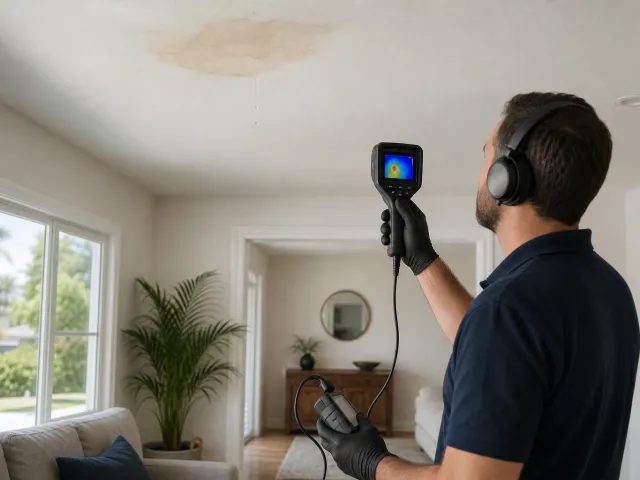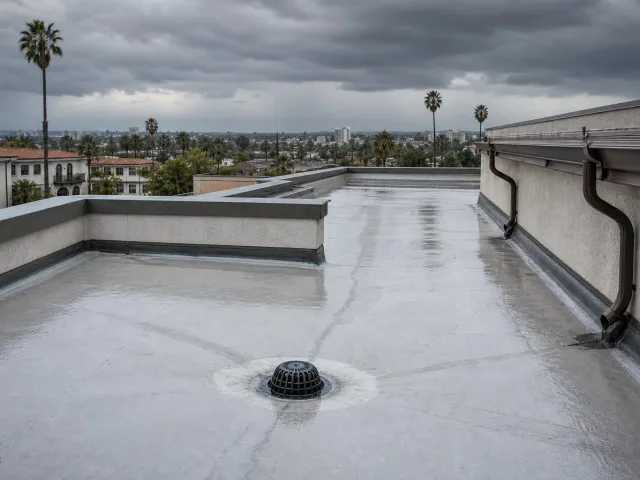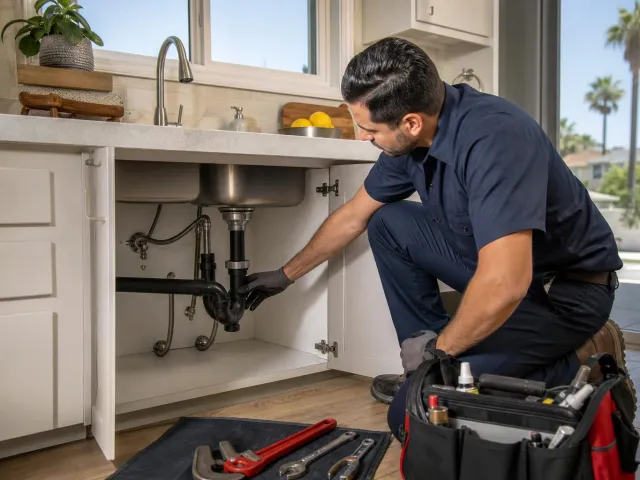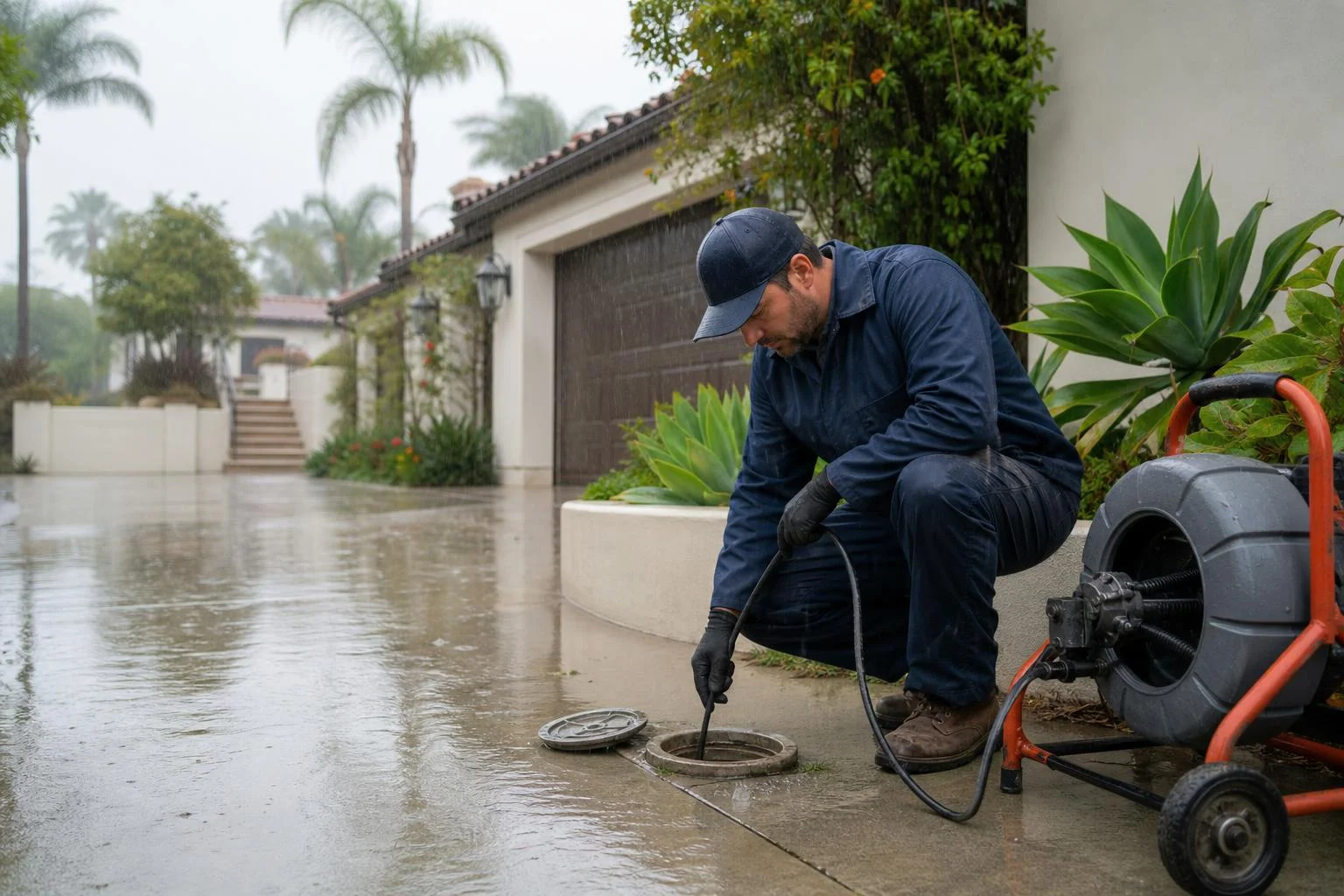


Rain may be infrequent in Southern California, but when a strong storm arrives, it can expose plumbing weaknesses quickly. Rain plumbing problems often appear as slow drains, sewage odors, standing water, overflowing cleanouts, leaks around pipe penetrations, or water entering a garage, crawl space, or commercial property. In Los Angeles, Orange County, Long Beach, and nearby communities, dry weather can allow root intrusion, soil movement, and neglected drainage issues to develop unnoticed until heavy rain puts the system under pressure. The good news is that many storm-related plumbing emergencies can be prevented with timely inspection and maintenance. This guide explains why rain affects plumbing, what warning signs to take seriously, and when to contact A-1 Performance Rooter and Plumbing for fast professional help.
Why Rain Plumbing Problems Happen in Southern California
Rain does not usually create a plumbing defect from nothing. Instead, it reveals a blockage, damaged pipe, drainage design issue, or sewer line vulnerability that was already present. During a heavy downpour, water moves into soil, roof drains, area drains, and municipal sewer systems all at once. That additional volume can overwhelm drainage paths and expose weak points.
Southern California has several regional conditions that contribute to storm-related plumbing concerns:
- Long dry periods: Soil can become compacted and hard. When heavy rain finally arrives, water may run off quickly instead of soaking in gradually, causing pooling near foundations and drains.
- Tree root intrusion: Mature ficus, palm, eucalyptus, and other landscaping roots seek moisture around sewer pipes. Roots can enter small cracks and eventually create major drain clogs.
- Older sewer infrastructure: Many neighborhoods in Los Angeles, Long Beach, Pasadena, and parts of Orange County have aging clay, cast-iron, or deteriorating sewer lines.
- Soil movement: Expanding wet soil can shift pipes or worsen cracks, especially around older homes, hillside properties, and buildings with previous settlement issues.
- Debris buildup: Leaves, dirt, roofing granules, and windblown debris can block exterior drains, catch basins, and downspout outlets.
A blocked or damaged private sewer line can become especially noticeable during storms. If wastewater cannot move freely toward the city sewer, it may back up through lower fixtures, floor drains, tubs, or cleanouts. That is a sanitation concern, not simply an inconvenience.
Common Rain-Related Drain and Sewer Warning Signs
Knowing the early signs of rain-related plumbing trouble can help property owners avoid costly water damage. A single slow drain may be a localized issue, but multiple affected fixtures often indicate a larger sewer line problem.
Signs You May Need Emergency Drain Cleaning
- Toilets bubble or gurgle when a sink, shower, washing machine, or dishwasher drains.
- Several drains become slow at the same time.
- Water backs up into a shower, tub, floor drain, or lower-level restroom.
- A cleanout outside the property overflows during rain.
- You notice sewage odors in the yard, garage, bathroom, or near drains.
- There is unexplained wet ground, unusually green patches of landscaping, or pooling around the sewer route.
- Exterior area drains hold water long after rainfall has stopped.
For businesses, warning signs can also include restroom closures, recurring floor-drain overflows, standing water near loading areas, or drainage problems in restaurant kitchens. Commercial plumbing systems face heavier use, so a partial obstruction can become a disruption quickly during wet weather.
Quick answer: If sewage or dirty water is backing up inside your home or business, stop using water fixtures when possible and call a licensed plumbing professional immediately. Running more water can increase the backup and the cleanup required.
How to Prevent Storm Drain and Sewer Backups
The best approach to rain plumbing problems is preventive maintenance before the forecast calls for significant rainfall. A-1 Performance Rooter and Plumbing helps Southern California property owners identify restrictions and pipe damage before they turn into emergency calls.
Pre-Rain Plumbing Maintenance Checklist
- Clear exterior drains. Remove leaves, mulch, dirt, and trash from patio drains, driveway drains, yard basins, and roof drainage outlets. Never push debris deeper into a drain opening.
- Check downspout discharge. Downspouts should direct water away from the foundation and should not empty directly beside a slab, crawl space vent, or improperly connected drain.
- Schedule professional drain cleaning. Hydro jetting or rooter service can remove grease, scale, roots, and accumulated debris from affected drain and sewer lines. The right method depends on pipe material and condition.
- Request a sewer camera inspection. A camera can locate root intrusion, offsets, cracks, bellies, and recurring blockage areas without unnecessary excavation.
- Locate the sewer cleanout. Property owners should know where the cleanout is located and keep it accessible. If it overflows, avoid contact with wastewater and call for service.
- Inspect for leaks. Look under sinks, around water heaters, behind toilets, and near exposed pipes. Rain-driven humidity and water intrusion can make existing leaks more apparent.
Do not rely on chemical drain cleaners before a storm. These products may fail to clear a substantial blockage, can damage certain pipes, and can create a safety risk for anyone servicing the line afterward. Professional drain cleaning provides a more reliable diagnosis and solution.
When Rainwater Is Not a Plumbing Problem
Not all water intrusion is caused by interior plumbing. Rain may enter through roofing, windows, exterior walls, foundation cracks, grading problems, or failed waterproofing. However, plumbing and drainage issues often overlap with these concerns. For example, a clogged area drain can cause water to collect against a building, while a failed sewer line can saturate soil near the property.
A qualified plumber can help determine whether the water is connected to a drain, sewer, supply line, or exterior drainage system. Useful clues include the water’s location, odor, color, whether it appears only during rainfall, and whether plumbing fixtures are draining normally.
Call a plumber first when:
- Water is coming from a drain, cleanout, toilet, tub, or sewer line area.
- You smell sewage or see discolored wastewater.
- There is a visible pipe leak or a water heater issue.
- Multiple fixtures are slow or backing up.
- An exterior drain appears clogged or is overflowing near the building.
If water is clearly entering through a roof or wall with no drain or plumbing symptoms, a roofing or waterproofing specialist may also be needed. Prompt assessment matters because prolonged moisture can damage finishes, encourage mold growth, and affect structural materials.
Professional Rooter Service for Wet-Weather Plumbing Issues
Recurring backups after rain often point to an underlying defect rather than a one-time clog. Rooter service can clear obstructions, while sewer camera inspections help confirm why the line keeps failing. Depending on the findings, solutions may include root removal, hydro jetting, spot repair, trenchless pipe repair, conventional sewer replacement, or improved drainage maintenance.
At A-1 Performance Rooter and Plumbing, our team evaluates the full condition of the line instead of offering a temporary fix without answers. This is particularly important for properties in Los Angeles, Orange County, Long Beach, and surrounding Southern California communities, where roots and older pipe materials are frequent contributors to drain and sewer issues.
For commercial properties, proactive maintenance can reduce the risk of business interruption during wet weather. Restaurants, multifamily buildings, retail spaces, offices, and industrial facilities benefit from scheduled drain cleaning and documented inspections, especially before the rainy season.
Frequently Asked Questions About Rain and Plumbing
Can heavy rain cause a sewer backup?
Yes. Heavy rain can increase flow into sewer systems and expose a blocked, root-filled, cracked, or misaligned private sewer line. If the line cannot carry wastewater away, backups may occur through the lowest drains or fixtures.
Why does my drain smell after it rains?
Rain can stir up sewer gases from a partially blocked line, saturated soil, or a dry or compromised drain trap. Persistent sewage odors should be professionally evaluated, particularly if they occur with slow drains or gurgling fixtures.
Should I wait until the storm ends to call a plumber?
No. If wastewater is backing up, a cleanout is overflowing, or water is actively damaging your property, request plumbing service right away. Early action can limit contamination and water damage.
Southern California storms may be brief, but the plumbing damage they uncover can be significant. Keeping exterior drains clear, addressing slow drains early, and inspecting aging sewer lines are practical ways to protect your property. When you notice gurgling toilets, sewage odors, overflowing cleanouts, standing water, or repeated drain backups, do not wait for the next storm to make the issue worse. A-1 Performance Rooter and Plumbing provides dependable drain cleaning, rooter service, sewer camera inspections, pipe repair, and emergency plumbing support for homes and businesses throughout Los Angeles, Orange County, Long Beach, and nearby areas. Contact our experienced team today to schedule an inspection or get prompt help with rain-related plumbing problems before water damage and disruption spread.