

Southern California may be known for long dry spells, but when rain arrives, it can fall fast enough to expose every neglected roof drain, downspout, and exterior drainage line. Property owners in Long Beach, Orange County, and Los Angeles County often discover a blockage only after water starts ponding on a flat roof, spilling over gutters, or leaking into a building. Taking time to clear roof drains before the first major storm is one of the most important plumbing and property-maintenance tasks of the season. Below, A-1 Performance Rooter and Plumbing explains what to inspect, how to recognize drainage trouble, and when professional drain cleaning can help protect your home or commercial property.
Why You Should Clear Roof Drains Before Rain
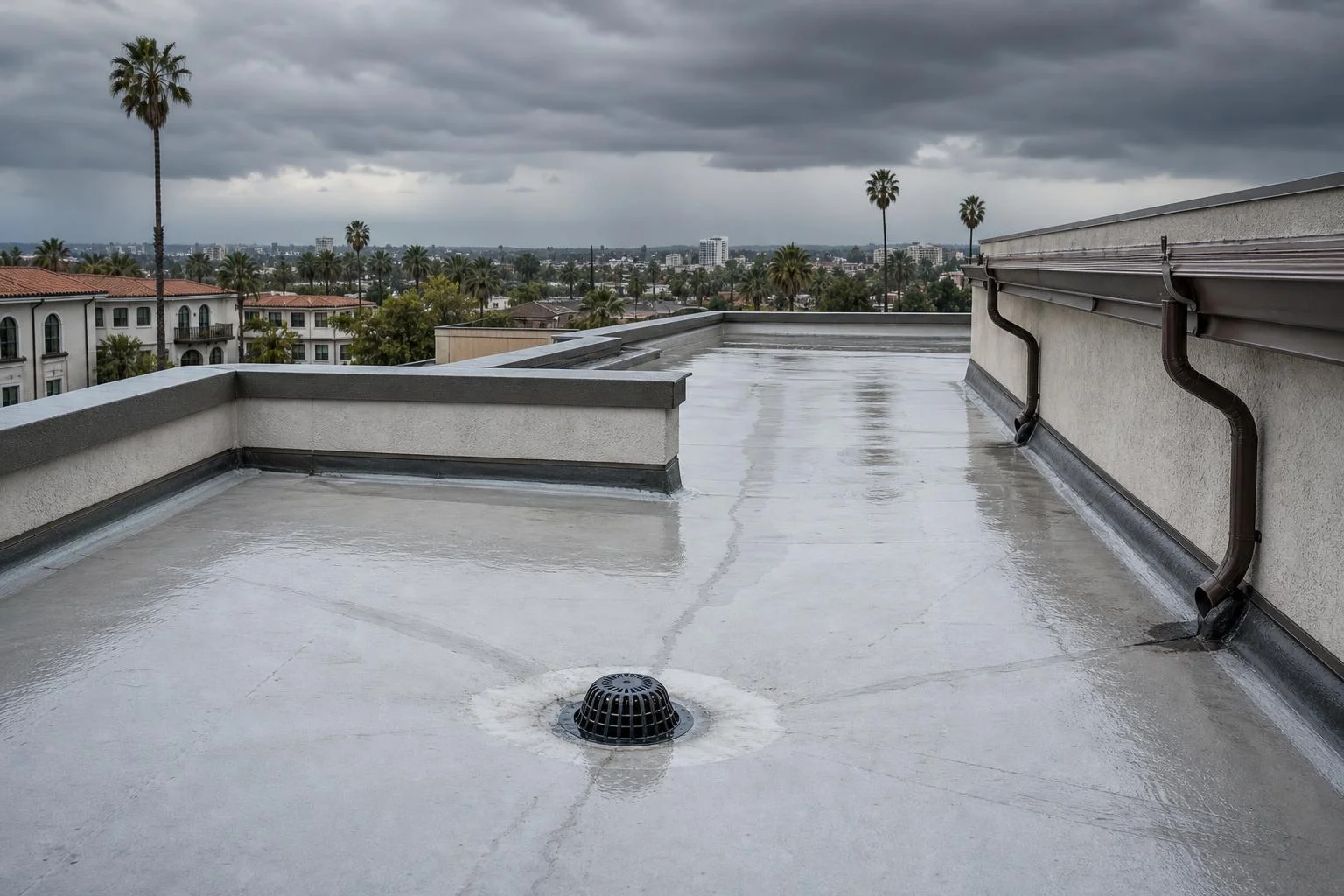
Roof drains move rainwater away from low-slope and flat roofs, where water cannot simply run off the edge as it does on a steeply pitched roof. They are especially common on apartment buildings, commercial properties, garages, additions, and modern homes throughout Los Angeles County and Orange County. When debris restricts a drain, water can collect quickly and add significant weight to the roof structure.
Even relatively shallow standing water is heavy. One inch of water across one square foot weighs more than five pounds. Across a large low-slope roof, that weight adds up rapidly. Clogged roof drains can also lead to:
- Roof leaks, ceiling stains, and damaged insulation
- Overflowing gutters and water intrusion near exterior walls
- Mold-friendly moisture conditions inside walls or ceilings
- Damage to roofing membranes, flashing, and drainage components
- Slip hazards around building entrances and walkways
- Water pooling near foundations or commercial loading areas
Dry weather can allow leaves, palm fronds, dirt, roofing granules, litter, and nesting material to build up unnoticed. In coastal communities such as Long Beach, windblown sand and debris can create additional drainage problems. Clearing drains before rain helps water flow where it belongs: away from your roof and property.
Pre-Rain Plumbing Checklist for Los Angeles and Orange County
A roof-drain inspection is only one part of preparing your plumbing for wet weather. Stormwater can reveal weak points in exterior drainage systems, sewer laterals, and landscape drains. Before rain is forecast, use this practical checklist.
1. Inspect Roof Drains, Scuppers, and Strainers
Start by visually checking accessible roof drains. Remove loose debris around the drain opening and make sure the strainer or grate is secure and free of buildup. Scuppers, which are openings through parapet walls that let water exit the roof, should also be clear. Never ignore a drain where water is already standing nearby; that is a common sign of a partial blockage deeper in the line.
If accessing the roof requires a ladder, involves a steep surface, or creates a fall risk, leave the work to a qualified professional. Safety should always come first.
2. Clean Gutters and Check Downspouts
Gutters and downspouts are critical to roof drainage on many Southern California homes. Clear out leaves, sediment, and roof granules, then verify that downspout outlets discharge away from the foundation. Look for crushed, disconnected, or sagging sections that can trap water and debris.
A simple check is to run water through the system with a garden hose after removing visible debris. Water should travel freely to the outlet without backing up at the gutter or spilling from joints. If it drains slowly, a professional drain cleaning service may be needed to remove packed debris farther down the pipe.
3. Test Exterior and Area Drains
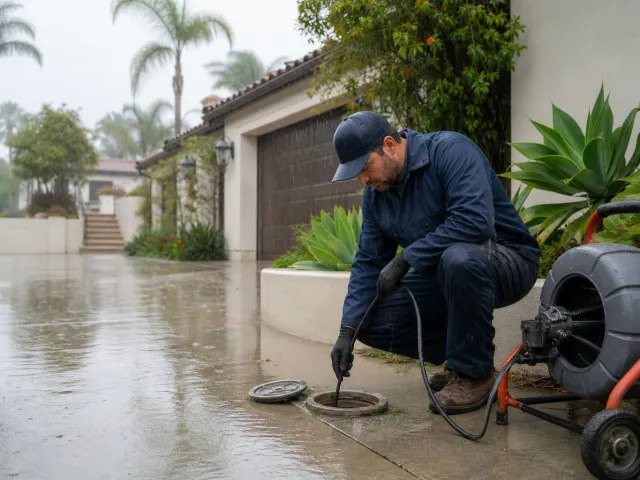
Driveways, patios, stairwells, courtyards, parking lots, and below-grade entryways often have area drains. These drains can be overwhelmed when dirt, mulch, leaves, and trash block the grate or underground line. In Los Angeles and Long Beach, hardscape-heavy properties may rely heavily on these drains to keep stormwater from moving toward doors, garages, or foundations.
Clear the grate and flush the drain lightly with water. Stop if water rises instead of draining. Repeatedly forcing water into a blocked line can make an overflow worse. A-1 Performance Rooter and Plumbing can inspect and clear problem drains with professional rooter equipment when necessary.
Signs You Need Professional Roof Drain Cleaning
Some maintenance can be handled by removing surface debris, but a deeper obstruction requires more than a hand tool or hose. Professional roof drain cleaning is recommended when you notice any of the following:
- Water ponds on the roof longer than 24 to 48 hours after rainfall
- Water backs up around a roof drain or spills over a parapet
- Gutters overflow despite being recently cleaned
- Downspouts gurgle, leak at joints, or drain very slowly
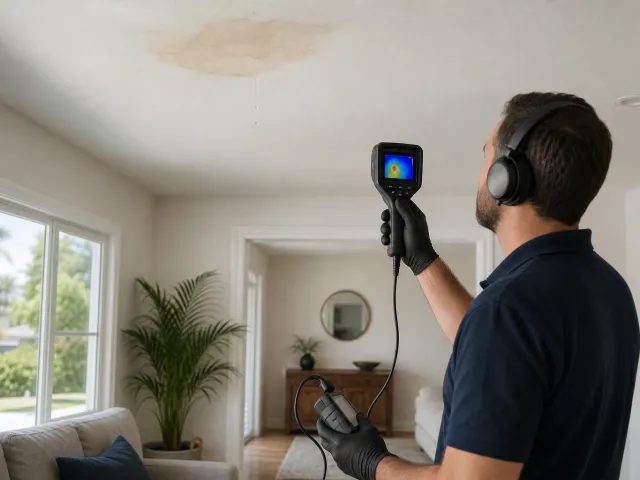
- Ceiling discoloration, peeling paint, or musty odors appear after rain
- Exterior drains back up onto patios, sidewalks, or parking areas
- A commercial property has recurring roof drainage issues
Professional plumbers can locate restrictions that are not visible at the drain opening. Depending on the pipe and blockage, the solution may involve drain snaking, rooter service, hydro jetting, or camera inspection. A camera can be especially valuable when a drain line has repeated clogs, suspected damage, root intrusion, or a shifted pipe connection.
Southern California Rain Challenges That Affect Drainage
It is easy to underestimate rain preparation in a region with a mostly mild, dry climate. However, dry ground and neglected drains can make the first significant storm of the season particularly disruptive. Stormwater may carry leaves, dust, landscaping material, and street debris directly toward drainage inlets. Older homes and commercial buildings in Los Angeles County may also have aging exterior drain lines that need closer attention.
In Orange County, properties near trees, hillsides, and landscaped communities can experience heavy organic debris in gutters and drains. Long Beach properties may contend with coastal wind, sand, and salt-air exposure that can contribute to wear around exterior components. The right maintenance plan depends on the property, but these preventive habits are useful for most owners:
- Schedule gutter and roof-drain checks before the rainy season and after major wind events.
- Keep trees trimmed away from roof edges where practical.
- Remove leaves and debris from drain grates promptly rather than waiting for a storm.
- Watch for recurring puddles and address them before they become interior water damage.
- Have older or frequently clogged drain lines evaluated by a plumbing professional.
For businesses, roof drainage is also an operational issue. Water entering a retail space, office, restaurant, warehouse, or multifamily common area can interrupt operations and create potential safety concerns. Preventive service is typically far less disruptive than dealing with an emergency overflow during a storm.
What Not to Do When a Roof Drain Is Clogged
When a drain is slow, avoid shortcuts that can create more damage. Do not pour harsh chemical drain cleaners into roof drains, gutters, or exterior drainage systems. These products may damage certain pipe materials, harm landscaping, and fail to clear compacted debris or roots. Avoid using excessive force with improvised rods, which can puncture a drain line or damage the roof membrane.
Do not walk onto a wet, unstable, or unfamiliar roof, and do not attempt to remove a drain cover if doing so could compromise waterproofing. If water is approaching roof penetrations, doors, electrical equipment, or interior spaces, contact a qualified plumbing and drainage professional promptly.
Schedule Preventive Drain Service Before the Next Storm
The best time to address a roof-drain issue is before rain is in the forecast. A preventive inspection can identify surface debris, restricted lines, damaged drain components, and other issues that could lead to expensive water intrusion. A-1 Performance Rooter and Plumbing provides dependable rooter services, drain cleaning, pipe repair, and general plumbing support for residential and commercial properties across Southern California.
Whether you manage a commercial building in Los Angeles, own a home in Orange County, or need help with exterior drainage in Long Beach, experienced plumbing service can help you prepare with confidence.
Before the next storm, take a few minutes to clear roof drains, inspect gutters and area drains, and watch for slow drainage. These simple steps can reduce the risk of standing water, roof leaks, and preventable property damage. Southern California rainstorms may be infrequent, but they can be intense, particularly when drainage systems have been ignored through months of dry weather. If you find a clogged roof drain, recurring overflow, slow downspout, or backed-up exterior drain, do not wait for a larger problem. Contact A-1 Performance Rooter and Plumbing for professional drain cleaning, rooter service, camera inspection, pipe repair, and plumbing support throughout Long Beach, Orange County, and Los Angeles County. Prepare now and help keep your property dry when the rain arrives.