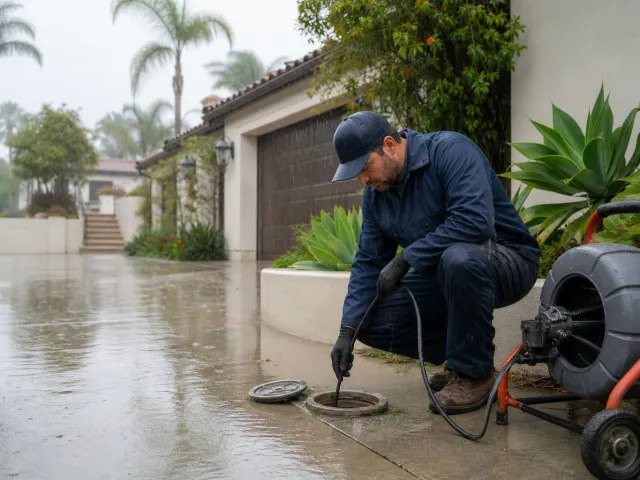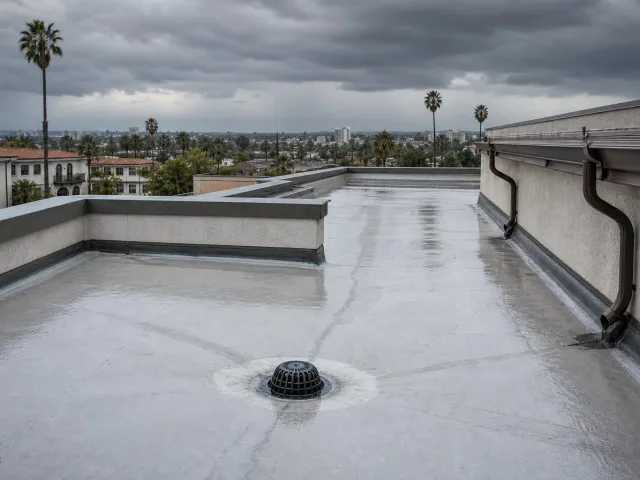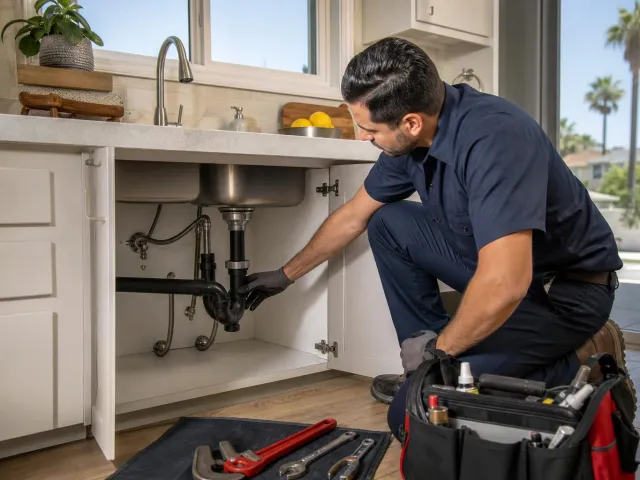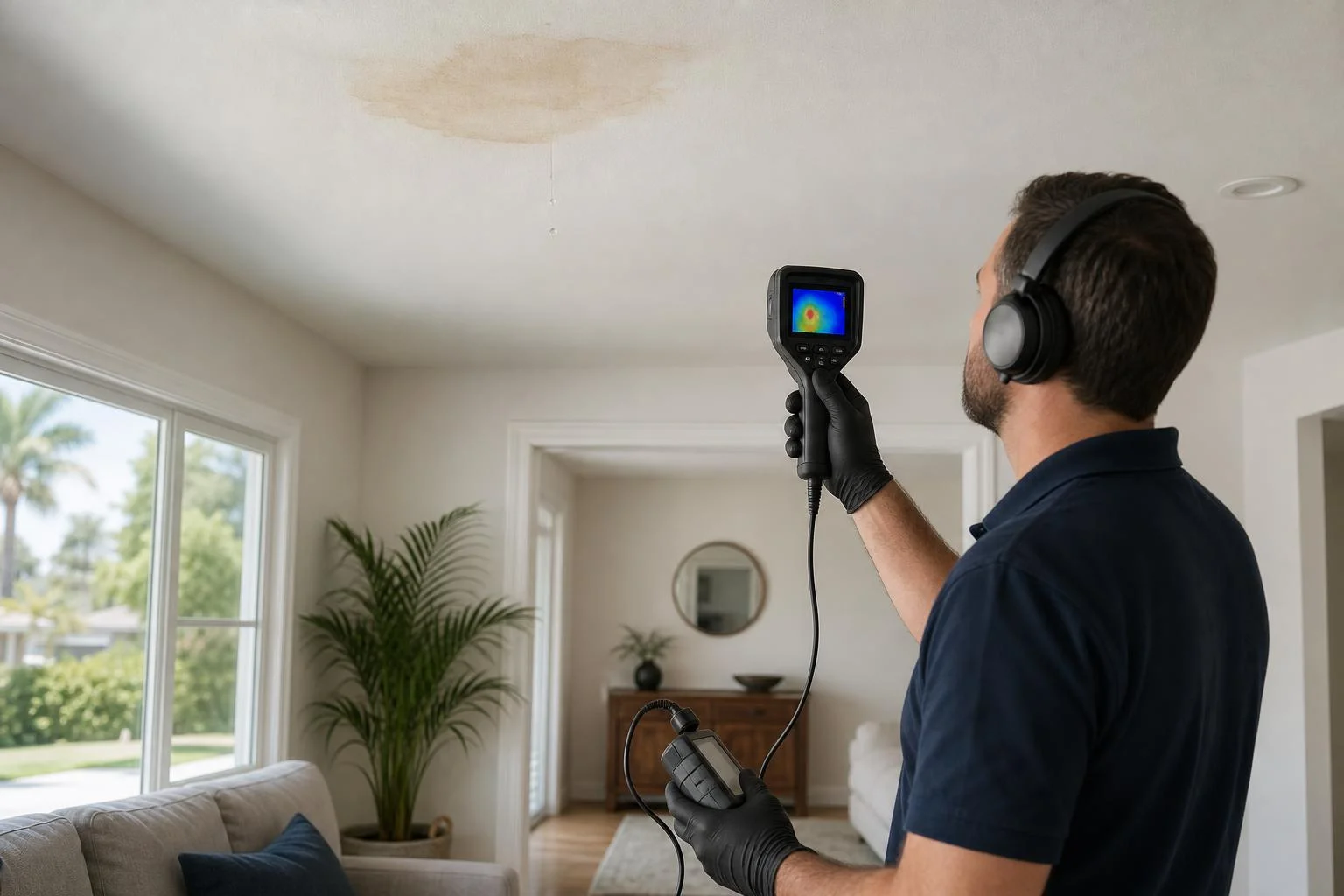


A stain on the ceiling or water dripping near your Long Beach roofline can look like a roofing problem—but the true source may be hidden plumbing. A Long Beach roof leak can be caused by a leaking water line, drain pipe, vent stack, or water heater line running through the attic, ceiling, or upper walls. Waiting to find out can allow moisture to spread into insulation, drywall, framing, and electrical areas. At A-1 Performance Rooter and Plumbing, we provide prompt plumbing inspections to identify whether the water is coming from a pipe before costly water damage gets worse. Here is how to recognize the warning signs, protect your property, and know when to call a professional.
Could a Long Beach Roof Leak Actually Be a Pipe Leak?
Yes. While roof damage is common after wind-driven rain or aging roofing materials, water does not always enter from above. Plumbing pipes may run through attics, ceilings, and walls, especially near upstairs bathrooms, kitchens, laundry rooms, and water heaters. A small leak can travel along pipes, framing, or insulation before appearing far away from its original location.
A plumbing-related ceiling leak is especially likely when water appears during dry weather, returns after you have not had rain, or develops beneath a bathroom or other plumbing fixture. In homes and commercial buildings across Long Beach, Los Angeles, and Orange County, identifying the actual source quickly is essential. Repairing a roof when the real issue is a leaking pipe will not stop the damage.
Common Plumbing Problems That Mimic a Roof Leak
- Leaking water supply lines: Pressurized hot- and cold-water lines can develop pinhole leaks, loose fittings, or corrosion.
- Damaged drain pipes: A cracked drain, waste, or vent pipe may leak only when a sink, shower, toilet, or appliance is used.
- Upstairs bathroom leaks: Failed shower pans, toilet seals, tub drains, and overflow pipes can send water into the ceiling below.
- Water heater leaks: An attic-installed or upper-level water heater can leak from the tank, temperature-and-pressure relief valve, or connected piping.
- Condensation issues: Uninsulated cold-water pipes or HVAC condensate lines can drip in humid conditions and create moisture damage.
Whether you have a suspected Long Beach roof leak at a house, apartment building, restaurant, or office, a targeted plumbing inspection can help distinguish rain intrusion from a pipe failure.
Signs You Need a Leaking Pipe Inspection in Long Beach
Water damage often starts quietly. By the time a ceiling stain becomes obvious, moisture may already be affecting materials behind the surface. Call for a plumbing inspection if you notice any of these warning signs:
- Ceiling stains that grow even when it has not rained
- Dripping water, bubbling paint, peeling texture, or sagging drywall
- A musty smell in an upper room, hallway, attic, or closet
- Water appearing after someone showers, flushes a toilet, runs the dishwasher, or uses a washing machine
- Unexpectedly high water bills or a water meter that moves when fixtures are off
- Warm spots, damp carpeting, warped flooring, or mold-like discoloration
- Reduced water pressure that occurs along with visible moisture
The U.S. Environmental Protection Agency reports that household leaks can waste nearly 10,000 gallons of water each year. Beyond wasted water, an undetected leak can create conditions for mold growth and structural deterioration. Southern California properties are particularly vulnerable when older galvanized, copper, or aging plastic pipe systems begin to fail.
A Quick Way to Tell If Plumbing May Be Involved
First, note the weather and the timing of the leak. If the stain becomes wetter during or immediately after rainfall, roof flashing, shingles, vents, skylights, or drainage may be involved. If it worsens when plumbing fixtures are used—or appears in dry weather—a pipe or fixture leak is more likely.
Homeowners can also turn off all water-using fixtures and check the water meter. If the meter’s leak indicator continues moving, there may be a hidden leak. However, do not cut into ceilings, climb onto a roof, or ignore wet areas around lights. Water and electricity can be dangerous, and opening damaged materials without finding the source can make cleanup harder.
Why Fast Leak Detection Prevents Bigger Water Damage
A minor drip can become a major repair when it is allowed to continue. Drywall absorbs water quickly, insulation can hold moisture against framing, and wood components may weaken or warp over time. If water reaches electrical wiring, outlets, or light fixtures, it can also create an immediate safety concern.
Fast professional leak detection helps limit the scope of repairs by locating the source with as little disruption as possible. A-1 Performance Rooter and Plumbing evaluates the visible damage, asks when and where the leak occurs, and inspects likely plumbing connections. Depending on the situation, the inspection may include pressure testing, meter testing, visual attic or crawlspace evaluation, and other diagnostic methods to narrow down the source.
For property managers and business owners in Long Beach and nearby communities, quick action is especially important. A leak above a retail space, restaurant, office, or multi-unit building can interrupt operations, affect tenants, and damage inventory or equipment. Addressing the pipe problem early can reduce downtime and help prevent a small maintenance issue from escalating.
What to Do While Waiting for a Plumber
If you suspect a leaking pipe rather than a roof issue, take practical steps to reduce additional damage. Safety should come first.
- Move belongings away from the wet area. Protect furniture, electronics, documents, and valuables.
- Place a container under active drips. Use towels around the container to catch splashing, but do not rely on this as a repair.
- Stop using nearby fixtures. Avoid showers, sinks, toilets, dishwashers, or laundry appliances that may be connected to the leak.
- Shut off water if necessary. If water is flowing steadily, turn off the fixture’s local valve or the property’s main water supply if you can safely access it.
- Keep clear of electrical hazards. Turn off power to the affected area only if it is safe to do so, and never touch wet electrical components.
- Document the damage. Take photos and note when the leak started, what weather conditions were present, and whether fixture use changed the leak.
If a ceiling is visibly bulging with water, stay out from underneath it. The ceiling can collapse unexpectedly. Contact a qualified plumbing professional for urgent help and, if needed, coordinate with a roofing specialist after the plumbing source has been ruled out.
Trust A-1 for Long Beach Pipe Repair and Drain Services
When you see water near the ceiling, acting on assumptions can cost time and money. A-1 Performance Rooter and Plumbing helps residential and commercial customers determine whether the problem is a leaking pipe, drain line issue, fixture failure, or another plumbing concern. Our team handles leak inspections, pipe repair, drain cleaning, rooter services, water heater repairs, and general plumbing solutions throughout Long Beach, Los Angeles, Orange County, and surrounding Southern California communities.
We focus on clear communication, practical repair recommendations, and solutions that address the source of the leak—not just the stain it leaves behind. If plumbing is not the cause, you will have valuable information to share with your roofing contractor or restoration provider.
A ceiling stain should never be ignored. A suspected Long Beach roof leak may be your first warning that a hidden plumbing leak is damaging your property from the inside. Before water spreads into drywall, insulation, framing, or electrical areas, contact A-1 Performance Rooter and Plumbing for a professional inspection. Our experienced Southern California plumbers can help identify the cause, recommend the right repair, and protect your home or business from larger water damage problems. Call A-1 Performance Rooter and Plumbing today to schedule your Long Beach leak inspection and get answers before a small drip becomes a costly repair.