

A brown ring or damp patch overhead can turn a normal day into a major concern. Ceiling water stains are often the first visible warning of a hidden plumbing leak—one that may be slowly damaging drywall, insulation, framing, or flooring before it becomes an active drip. In Southern California homes and commercial buildings, leaks can develop around upstairs bathrooms, aging supply lines, drain connections, water heaters, and air-conditioning condensate systems. Knowing what to look for helps you act before a minor repair becomes extensive water damage. Below, A-1 Performance Rooter and Plumbing explains five signs that a ceiling stain is linked to a concealed leak, what to do immediately, and when to call a professional plumber in Los Angeles, Orange County, Long Beach, and nearby communities.
1. Expanding Ceiling Water Stains Signal a Hidden Plumbing Leak
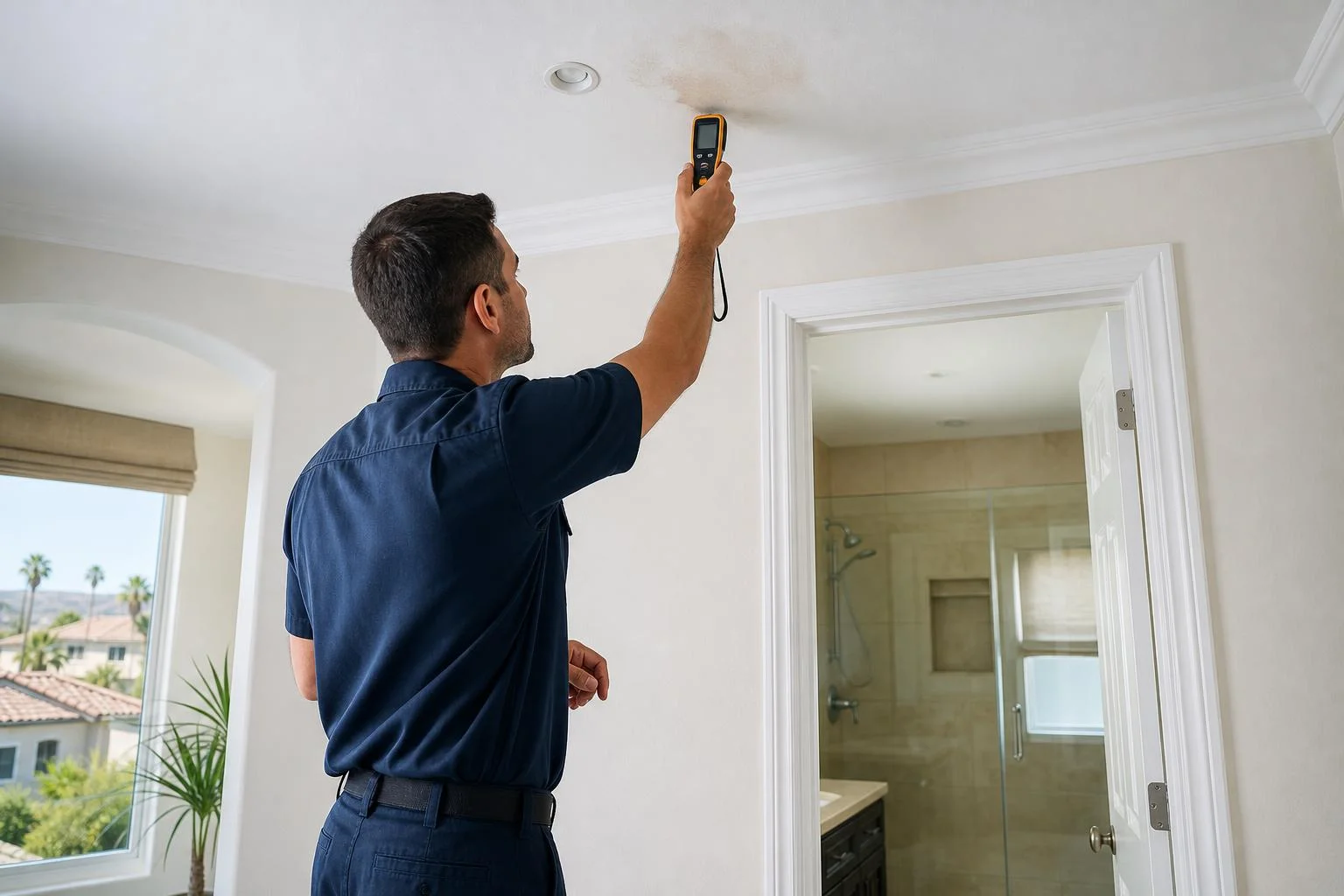
The clearest warning sign is a stain that grows, darkens, or develops a yellow, brown, or copper-colored edge. Even when the area feels dry, a changing stain can mean water is reaching the ceiling intermittently. A hidden plumbing leak may only release water when someone showers, flushes a toilet, runs the dishwasher, or uses a washing machine upstairs.
Pay attention to the shape and timing. A stain directly below a bathroom is commonly associated with a leaking shower drain, toilet wax ring, tub overflow, supply valve, or drainpipe connection. A stain below a kitchen may point to a sink drain, dishwasher line, refrigerator water line, or plumbing in the wall.
- Take a dated photo and measure the stain’s approximate width.
- Check whether it changes after plumbing fixtures are used.
- Do not paint over the spot before the moisture source is identified and repaired.
- Call for leak detection promptly if the stain expands or feels soft.
In older properties across Los Angeles and Long Beach, pipe materials, worn fittings, and prior remodeling work can all contribute to concealed leaks. Surface repair alone will not stop the damage; the source must be located first.
2. Bubbling Paint, Sagging Drywall, or a Soft Ceiling
Water adds weight to drywall and can weaken it quickly. Paint that bubbles, peels, or separates from the ceiling is a common sign of moisture behind the finished surface. If the ceiling begins to sag, bow, crack, or feel spongy when lightly touched, treat it as an urgent plumbing issue.
A visibly sagging ceiling can hold trapped water and may eventually collapse. Keep people and pets away from the area, move electronics and furniture if it is safe to do so, and avoid puncturing the ceiling yourself. Cutting into a water-filled ceiling without controlling the area can create a sudden release of water and spread damage.
Instead, take these immediate steps:
- Stop using plumbing fixtures directly above the damaged ceiling, if known.
- Place a container below active drips and protect nearby belongings.
- Shut off the home’s main water valve if water is flowing continuously or the source cannot be isolated.
- Contact an emergency plumber for professional assessment and pipe repair.
Fast action matters. The U.S. Environmental Protection Agency notes that household leaks can waste substantial amounts of water over time, and even a small leak can create conditions for costly material damage when it is enclosed behind ceilings or walls.
3. Musty Odors and Mold Growth Near the Stained Area
A persistent musty smell is often a clue that moisture has been present longer than the stain suggests. Damp insulation, drywall paper, wood framing, and dust can all hold moisture and develop odors. You may also notice dark spotting, discoloration around ceiling corners, or mildew near vents and light fixtures.
Not every odor or spot is caused by plumbing. In Orange County and coastal areas, roof leaks, poor attic ventilation, and condensation can also create moisture issues. However, when odors worsen after showering, laundry, dishwashing, or toilet use, a plumbing source becomes more likely.
How to distinguish a plumbing leak from a roof leak
- Plumbing leak: Often appears below bathrooms, kitchens, laundry rooms, or water heaters and may worsen when fixtures run.
- Roof leak: Often worsens after rain and may appear near exterior walls, attic spaces, skylights, or roof penetrations.
- Condensation: May develop around air-conditioning ducts, cold-water pipes, or poorly insulated lines during humid conditions.
A qualified plumbing inspection can help narrow down the cause without unnecessary demolition. A-1 Performance Rooter and Plumbing uses professional diagnostic methods to identify plumbing-related moisture and recommend the appropriate repair.
4. Dripping Sounds, Higher Water Bills, and Lower Water Pressure
Some hidden leaks announce themselves before they create a large ceiling stain. Listen for dripping, hissing, or water-running sounds when all fixtures are turned off. Other signs include an unexplained increase in your water bill, a water meter that continues moving when no water is being used, or reduced water pressure at faucets and showers.
For a basic meter check, turn off all water-using appliances and fixtures, then observe the meter’s leak indicator or dial. If it continues to move, there may be a leak somewhere in the plumbing system. This test does not identify the exact location, but it is useful information to share with your plumber.
In Southern California, hard water can accelerate wear on fixtures, valves, and water heater connections by leaving mineral scale behind. Older galvanized piping can also corrode internally, while copper and plastic pipe connections may fail at fittings over time. A plumbing professional can determine whether the ceiling issue involves a pressurized water line, a drain line, or another source entirely.
5. Stains That Return After Painting Need Leak Detection
If you have painted over a ceiling stain only to see it reappear, the underlying moisture problem likely remains. Stain-blocking primer may improve appearance after a repair, but it cannot fix a leaking pipe, failing drain seal, or deteriorated water heater connection. Recurring discoloration is one of the strongest reasons to schedule professional hidden plumbing leak detection.
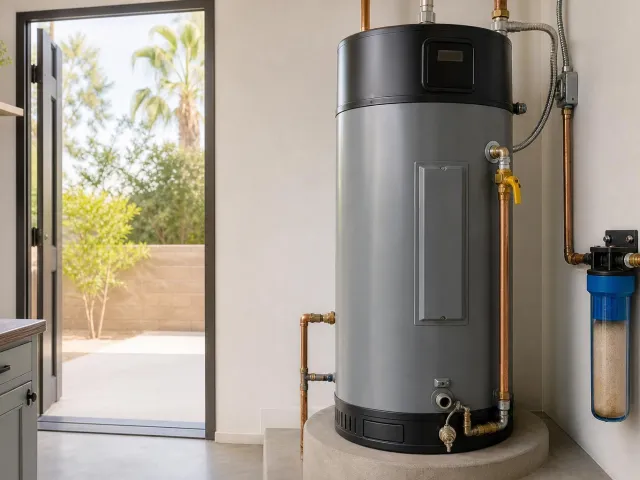
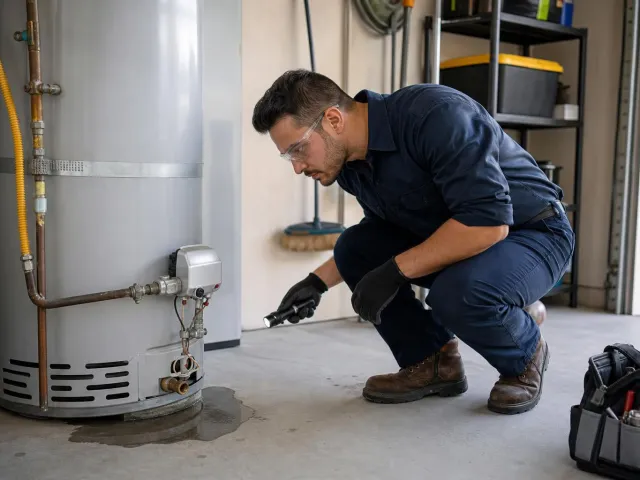
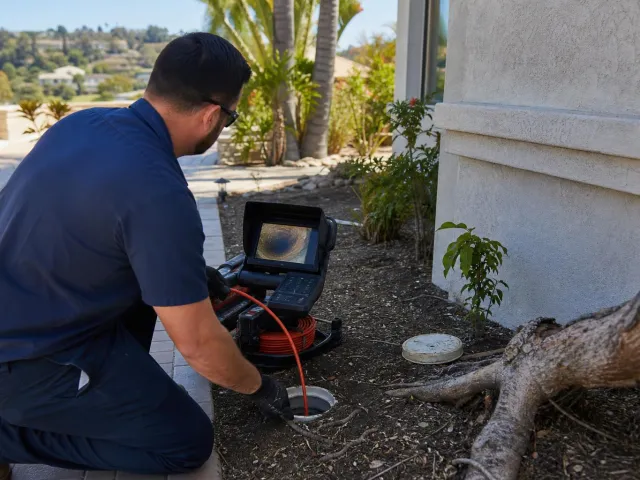
Professional plumbers may inspect accessible pipes, test fixtures, use moisture-measuring tools, and evaluate drain and supply lines to pinpoint the issue. Depending on the suspected source, a repair could involve replacing a section of pipe, resealing a fixture, repairing a drain connection, replacing a shutoff valve, or addressing a water heater leak.
What not to do when you find a ceiling stain
- Do not ignore a stain because it is small or currently dry.
- Do not continue using an upstairs shower or appliance if it appears connected to the leak.
- Do not assume every ceiling stain is old damage without an inspection.
- Do not delay if the ceiling is bulging, actively dripping, or near electrical fixtures.
For businesses in Los Angeles, Anaheim, Long Beach, and surrounding Southern California communities, prompt commercial plumbing service is especially important. A concealed leak can disrupt tenants, customers, employees, inventory, and daily operations.
When to Call a Southern California Plumber for Ceiling Leaks
Call a plumber as soon as you see an expanding stain, active drip, ceiling sag, mold-like growth, repeated staining, or unexplained water usage. If water is near a ceiling light, electrical outlet, or breaker area, avoid touching electrical components and seek immediate professional help. The sooner the cause is found, the better the chance of limiting drywall, insulation, flooring, and structural repairs.
At A-1 Performance Rooter and Plumbing, our team provides dependable leak detection, drain cleaning, rooter service, pipe repair, water heater repair, and general plumbing solutions for residential and commercial properties throughout Southern California. We focus on finding the source—not just covering the symptom—so you can protect your property with confidence.
Conclusion: Ceiling water stains are never something to dismiss. An expanding mark, peeling paint, musty odor, drip sound, rising water bill, or recurring discoloration can all point to a hidden plumbing leak that needs professional attention. By stopping fixture use when appropriate, monitoring changes, and arranging an inspection quickly, you can reduce the risk of ceiling collapse, mold-related moisture damage, and expensive repairs. If you are dealing with ceiling water stains in Los Angeles, Orange County, Long Beach, or nearby Southern California areas, contact A-1 Performance Rooter and Plumbing today. Our experienced plumbers can locate the problem, complete reliable pipe or drain repairs, and help restore peace of mind to your home or business.