

A toilet clog is frustrating once; when your toilet keeps clogging, it is usually a warning that something more than ordinary toilet paper is causing trouble. Repeated backups can point to a partial obstruction, a weak-flushing toilet, blocked plumbing vent, sewer-line buildup, or even tree roots invading an older pipe. For homeowners and business owners in Los Angeles, Orange County, Long Beach, and throughout Southern California, identifying the cause early can help prevent an overflow, water damage, and an expensive emergency. This guide explains the most common reasons toilets clog repeatedly, safe steps to take now, and when to call A-1 Performance Rooter and Plumbing at 800-997-3090 for professional drain cleaning or rooter service.
Why Your Toilet Keeps Clogging: Common Causes
A toilet should clear normal waste and a reasonable amount of toilet paper in a single flush. If it frequently gurgles, drains slowly, rises before going down, or needs a plunger every few days, there is likely a restriction somewhere in the toilet or drain system.
1. A Partial Clog Is Still in the Trap or Drain
The most common reason a toilet keeps clogging is a partial blockage. Material may pass through slowly, but it catches additional paper and waste until the toilet clogs again. The toilet’s built-in curved trapway is a frequent trouble spot, especially if a small object has been flushed.
Common items that cause recurring toilet clogs include:
- “Flushable” wipes, which do not break down like toilet paper
- Paper towels, facial tissues, and napkins
- Feminine hygiene products, cotton swabs, or dental floss
- Children’s toys, air freshener clips, and small household objects
- Excessive toilet paper used in one flush
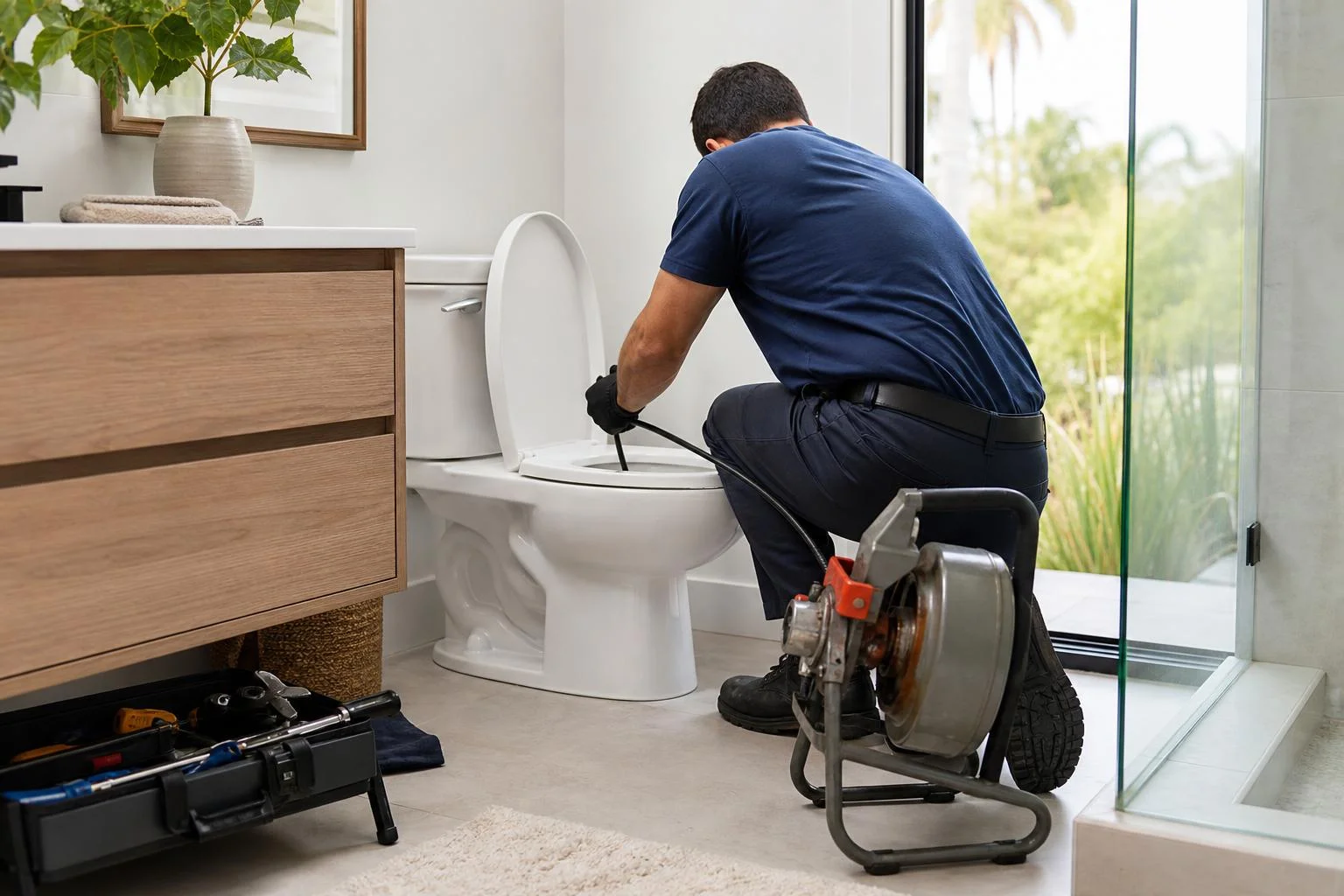
A flange-style toilet plunger may temporarily move the blockage, but it may not remove an object or a compacted clog farther down the line. A professional toilet auger can often clear the trapway without damaging the porcelain.
2. Low Water in the Tank Creates a Weak Flush
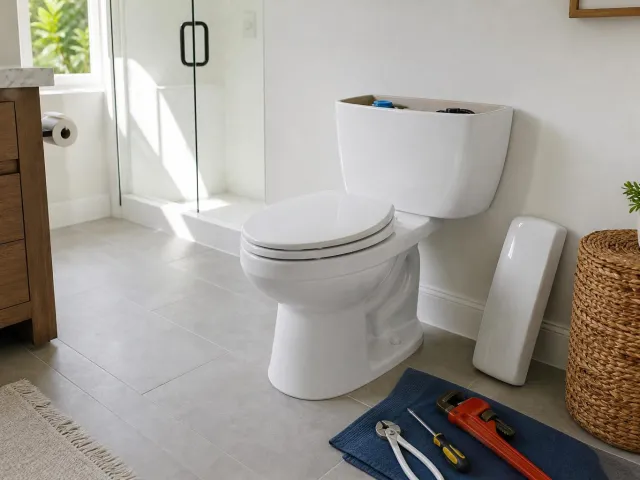
A weak flush leaves solids behind, making repeat clogs more likely. Lift the tank lid and check that the water level reaches the marked fill line or sits roughly one inch below the top of the overflow tube. A faulty fill valve, flapper that closes too soon, or incorrectly adjusted float can reduce flushing power.
Older toilets can also be less reliable than modern models. The U.S. Environmental Protection Agency notes that toilets account for nearly 30% of a typical home’s indoor water use. A properly installed WaterSense-labeled toilet uses 1.28 gallons per flush or less while meeting performance standards—but the right installation and drain condition still matter. Replacing a chronically weak or cracked toilet may be more practical than repeated repairs.
Signs of a Main Sewer Line Clog in Southern California
If only one toilet clogs, the issue may be limited to that fixture. However, multiple slow or backing-up drains often signal a main sewer line clog. This is especially important in established neighborhoods across Los Angeles, Long Beach, Pasadena, and Orange County, where older clay, cast-iron, or aging sewer pipes may be vulnerable to cracks, scale, shifting soil, and root intrusion.
Call a professional plumber promptly when you notice any of these warning signs:
- More than one toilet or drain is slow
- Water backs up into a tub or shower when the toilet flushes
- Drains make gurgling noises or produce sewer odors
- The lowest drain in the building backs up first
- Clogs return soon after plunging or using a store-bought drain cleaner
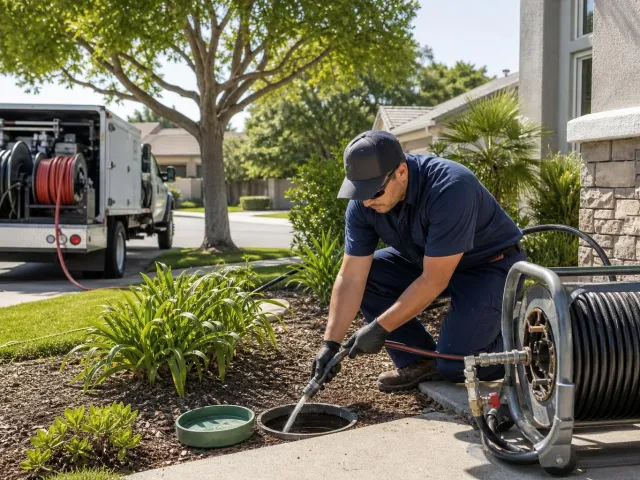
Southern California’s mature landscaping can be beautiful, but tree roots naturally seek moisture and may enter tiny openings in buried sewer pipes. Once inside, roots catch waste and paper, creating stubborn recurring stoppages. A sewer camera inspection allows A-1 Performance Rooter and Plumbing to locate the exact issue before recommending rooter service, hydro jetting, repair, or replacement.
How to Unclog a Toilet Safely Before Calling a Plumber
If the bowl is not overflowing and you suspect a simple clog, a few careful steps may restore normal flow. Avoid repeatedly flushing; each flush can add water to a blocked bowl and cause an overflow.
- Stop the water if the bowl is rising. Remove the tank lid and close the flapper, or turn the shutoff valve behind the toilet clockwise.
- Use a flange plunger. Make a tight seal over the drain opening and plunge with firm, controlled strokes for 15 to 20 seconds.
- Test with one flush. If the water clears normally, wait and monitor performance before using the toilet heavily.
- Use a toilet auger for a suspected object. A closet auger is designed for toilet trapways and is safer than forcing improvised tools into the bowl.
Do not use chemical drain cleaners in a toilet. These products often fail against solid obstructions, can create hazardous splashing, and may damage older pipes or seals. They can also make later professional service more dangerous. If plunging does not solve the problem after one or two attempts, the best next step is professional drain cleaning.
Prevent Recurring Toilet Clogs With Better Habits
Preventive habits reduce the chance that your toilet keeps clogging and protect your household or commercial plumbing system. In restaurants, offices, rental properties, and busy homes, clear restroom guidelines are particularly valuable.
- Flush only human waste and toilet paper.
- Place a covered trash bin near every toilet for wipes and hygiene products.
- Use toilet paper in moderate amounts and flush between large amounts if necessary.
- Keep small objects away from young children and secure toilet accessories.
- Schedule sewer maintenance when your property has large trees, older pipes, or a history of backups.
For commercial properties in Los Angeles and Orange County, regular drain maintenance can minimize disruptive restroom closures and help identify developing sewer issues before they affect customers or employees. A professional plumber can recommend a maintenance schedule based on pipe age, usage, landscaping, and prior drain problems.
When to Call A-1 Performance Rooter and Plumbing
A recurring toilet clog is not something to ignore. Repeated plunging may mask an obstruction while wastewater pressure builds in the line. A-1 Performance Rooter and Plumbing provides reliable toilet repair, rooter services, sewer camera inspections, drain cleaning, and pipe repair for residential and commercial properties throughout Southern California.
Our experienced plumbing team can determine whether the problem is inside the toilet, in a branch drain, or deep within the main sewer line. Rather than guessing, we focus on finding the cause and providing a durable solution. If your toilet keeps clogging, gurgling, or backing up, call 800-997-3090 today to schedule professional plumbing service. Fast attention can help protect your property from messy overflows and restore dependable flushing.