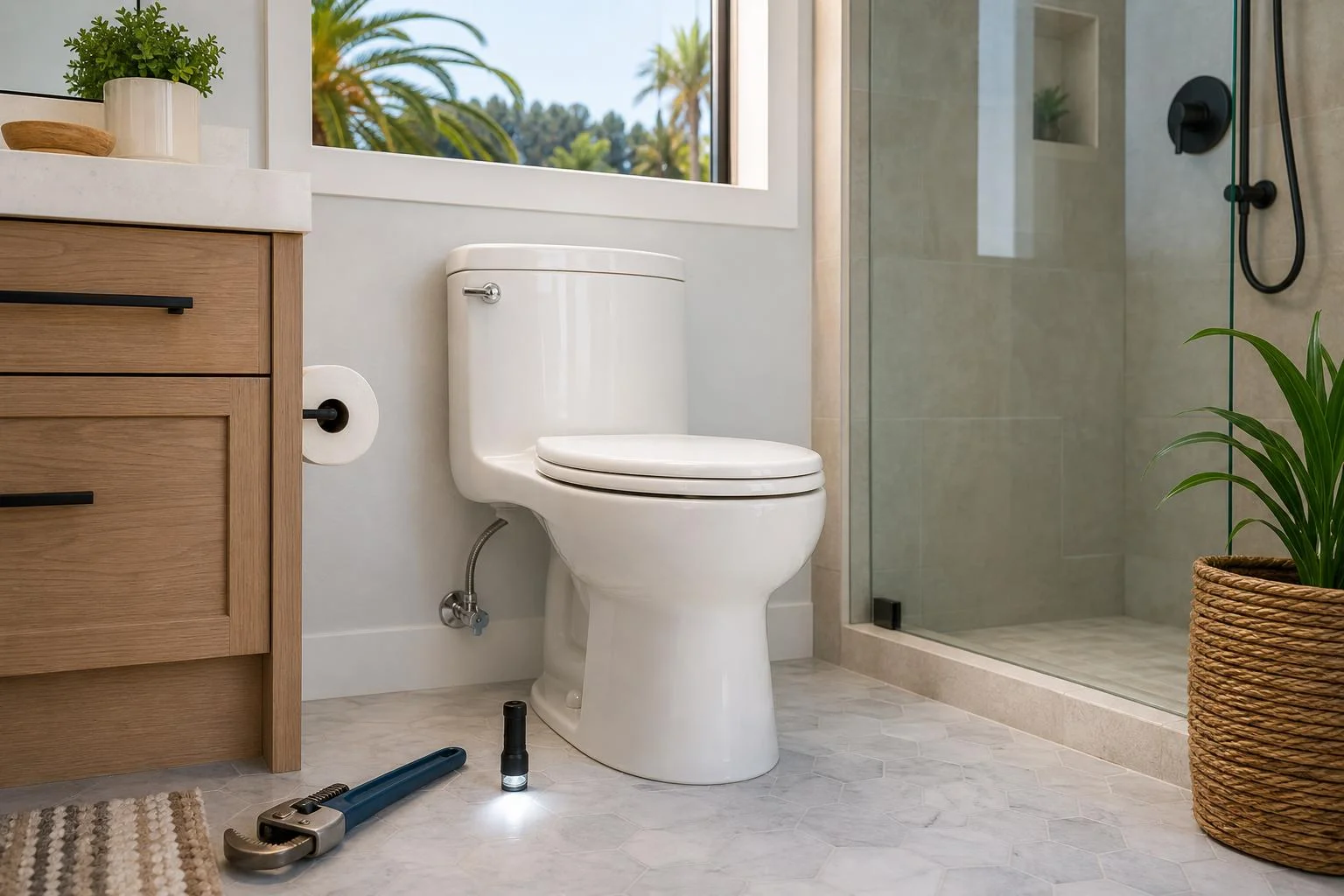


A toilet making weird noises can be more than an annoying interruption—it may be warning you about a worn valve, a hidden leak, a drain blockage, or a sewer-line concern. Homeowners and business owners across Los Angeles, Orange County, Long Beach, and surrounding Southern California communities often notice sounds such as whistling, hissing, gurgling, banging, or a toilet that seems to refill on its own. The good news is that many toilet noises have identifiable causes. This guide explains what common sounds mean, which simple checks you can safely perform, and when it is time to call A-1 Performance Rooter and Plumbing for professional toilet repair or drain cleaning.
Toilet Making Weird Noises: What Each Sound Usually Means
The type and timing of the sound provide important clues. Listen for whether the noise occurs while flushing, after flushing, when another fixture drains, or all the time. Here is a quick answer to the most common question: a toilet making a strange noise usually has a fill-valve issue, a loose internal part, a partial drain blockage, or a venting problem.
- Hissing after a flush: Usually points to a leaking flapper or a fill valve that is not shutting off correctly.
- Whistling or squealing: Often comes from a restricted, aging, or defective toilet fill valve as water flows into the tank.
- Gurgling or bubbling: Can indicate a partial toilet clog, blocked plumbing vent, or developing sewer-line blockage.
- Thumping, banging, or hammering: May be water hammer caused by fast-closing valves, high water pressure, or loose pipes.
- Random refilling: Commonly means tank water is leaking slowly into the bowl through a worn flapper or faulty flush valve seal.
- Humming: May signal a vibrating fill valve, pressure-reducing valve issue, or water-pressure concern.
Do not ignore recurring sounds, especially gurgling. A small internal toilet repair is typically easier and less costly than waiting for an overflow or sewage backup.
Hissing, Whistling, and Running Toilet Repair Tips
If your toilet hisses or whistles after you flush, remove the tank lid and watch the water level. The tank should stop filling at the marked fill line or roughly one inch below the top of the overflow tube. If water continues to flow into the overflow tube, the fill valve may need adjustment or replacement.
A toilet that runs intermittently, even when nobody has flushed it, often has a flapper that no longer seals tightly. Mineral buildup is especially common in Southern California, where hard water can leave deposits on valves and rubber components. The U.S. Environmental Protection Agency notes that toilets account for nearly 30 percent of a typical home’s indoor water use, so a silent leak can add up quickly on your water bill.
Simple checks you can perform safely
- Turn off the toilet’s shutoff valve if the tank will not stop filling or appears close to overflowing.
- Check that the lift chain has slight slack and is not holding the flapper open.
- Inspect the flapper for warping, cracks, discoloration, or mineral deposits.
- Confirm the refill tube is clipped above the overflow tube rather than pushed down inside it.
- Flush once and listen carefully to determine whether the sound comes from the tank or the drain.
Replacing a flapper may solve a basic running-toilet issue. However, if the fill valve whistles, the tank level is inconsistent, or the toilet continues making noise after replacement parts are installed, a licensed plumber can identify the failing component and verify that water pressure is safe for your plumbing system.
Gurgling Toilet Sounds Can Signal a Drain or Sewer Problem
A gurgling toilet deserves prompt attention. Unlike a hissing tank, gurgling comes from air moving through the drain system. It can happen when water struggles to pass a partial blockage and pulls air through the toilet trap. In some cases, the issue is limited to the toilet. In others, it affects a shared branch line, the main sewer line, or the plumbing vent stack.
Call for professional drain cleaning sooner rather than later if you notice any of these warning signs:
- The toilet bubbles when the shower, washing machine, or bathroom sink drains.
- Multiple drains are slow in the same area of the property.
- Water rises in the toilet bowl before slowly draining away.
- You smell sewer gas near bathrooms, floor drains, or outdoor cleanouts.
- A plunger provides only temporary relief.
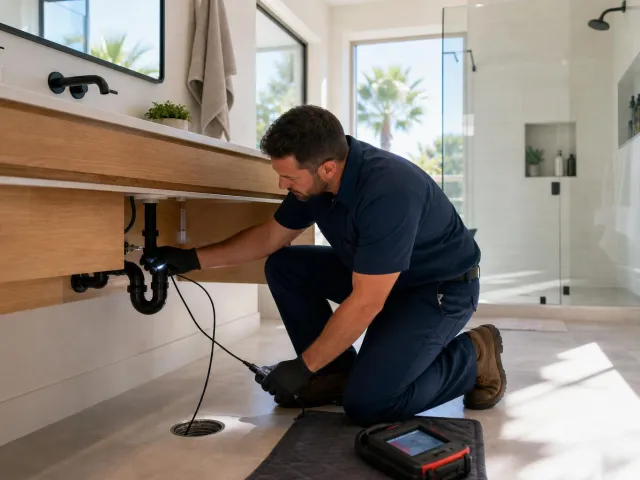
Homes in older parts of Los Angeles, Long Beach, Pasadena, and Orange County may have aging drain materials or mature landscaping near sewer pipes. Tree roots naturally seek moisture and can enter small openings in underground sewer lines, creating repeated clogs and gurgling fixtures. A-1 Performance Rooter and Plumbing can use professional rooter equipment and sewer camera inspection to locate the restriction instead of guessing at the cause.
Banging and Vibrating Pipes: Water Hammer and Pressure Issues
A loud bang when you flush or when the toilet tank finishes filling may be water hammer. This occurs when moving water stops abruptly and sends a pressure shock through the pipes. Occasional noise is unpleasant, but ongoing banging can strain pipe connections, valves, and appliance supply lines.
Common causes include high water pressure, a fast-closing fill valve, missing or failed water hammer arrestors, and inadequately secured pipes. In multi-unit properties and commercial restrooms, frequent use can make the issue more noticeable. Property managers in Anaheim, Torrance, and throughout Southern California should not assume loud plumbing is normal—early service can help prevent leaks behind walls or beneath slabs.
A plumber can test water pressure, inspect the toilet supply connection, evaluate pressure-regulating equipment, and recommend the correct repair. Avoid attempting to alter a pressure regulator or opening wall cavities without professional guidance. If you hear banging alongside visible leaks, wet drywall, reduced water pressure, or discolored water, shut off the local supply if possible and request urgent plumbing service.
When to Call a Southern California Plumber for Toilet Noises
Some toilet noises have simple fixes, but repeated sounds should never be dismissed. Call a professional if the toilet overflows, backs up repeatedly, gurgles with other fixtures, leaks at the base, or makes noise after you have checked the flapper and fill valve. These symptoms may indicate a problem beyond the toilet itself.
A-1 Performance Rooter and Plumbing provides residential and commercial plumbing solutions across Southern California, including toilet repair, rooter service, drain cleaning, pipe repair, and sewer-line diagnostics. Professional service is particularly valuable when a toilet making weird noises is paired with slow drains, sewer odors, recurring clogs, or unexplained increases in water use. A targeted inspection helps address the actual source of the problem and protects your property from water damage.
Get Reliable Help for a Noisy Toilet
A hissing, whistling, gurgling, or banging toilet is your plumbing system’s way of asking for attention. A worn flapper or fill valve may be a quick repair, while gurgling and repeated backups can point to a drain, vent, or sewer-line issue that needs professional equipment. Acting early can reduce wasted water, prevent messy overflows, and help preserve your pipes. If your toilet is making strange sounds in Los Angeles, Orange County, Long Beach, or nearby Southern California communities, contact A-1 Performance Rooter and Plumbing. Our experienced team can diagnose the noise, perform dependable toilet repair or drain cleaning, and get your plumbing running quietly again.