

A noisy toilet can be more than an annoyance—it may be an early warning that a component is worn, a water-pressure issue is developing, or water is being wasted. If you are asking, “why is my toilet making a sound?”, the noise itself provides an important clue. Hissing, whistling, gurgling, banging, and repeated refilling each point to different plumbing concerns. Homeowners and businesses throughout Los Angeles, Orange County, Long Beach, and surrounding Southern California communities can often identify the source with a few simple observations. This guide explains the most common toilet sounds, what they mean, and when it is time to call A-1 Performance Rooter and Plumbing for professional toilet repair or drain service.
Why Is My Toilet Making a Sound? Identify the Noise First
The fastest way to narrow down a toilet problem is to note when the sound happens: while flushing, after flushing, when the toilet is not in use, or when another fixture drains. A toilet has several moving parts, including the fill valve, flapper, flush valve, supply line, and internal overflow tube. A problem in any of these areas can create a distinctive noise.
Here is a quick answer to a common question: Why is my toilet making a sound when nobody flushed it? In many cases, the flapper is leaking slowly, causing the tank to refill periodically. That wasted water can increase utility bills and put unnecessary wear on the fill valve.
- Hissing or whistling: Usually a worn, dirty, or malfunctioning fill valve.
- Constant running or periodic refilling: Often a leaking flapper, faulty flush valve seal, or incorrectly adjusted water level.
- Gurgling: May indicate a partial drain blockage, venting issue, or sewer line problem.
- Banging or thumping: Can be water hammer from high water pressure or unsecured pipes.
- Moaning or foghorn-like noise: Frequently linked to a failing fill valve diaphragm or pressure issue.
Hissing, Whistling, and Running Toilet Repair
A toilet that hisses after flushing commonly has a fill valve problem. The fill valve controls water entering the tank after a flush. Mineral buildup is especially common in Southern California because many areas have hard water. Over time, calcium and sediment can restrict the valve, producing a whistle or hiss as water moves through it.
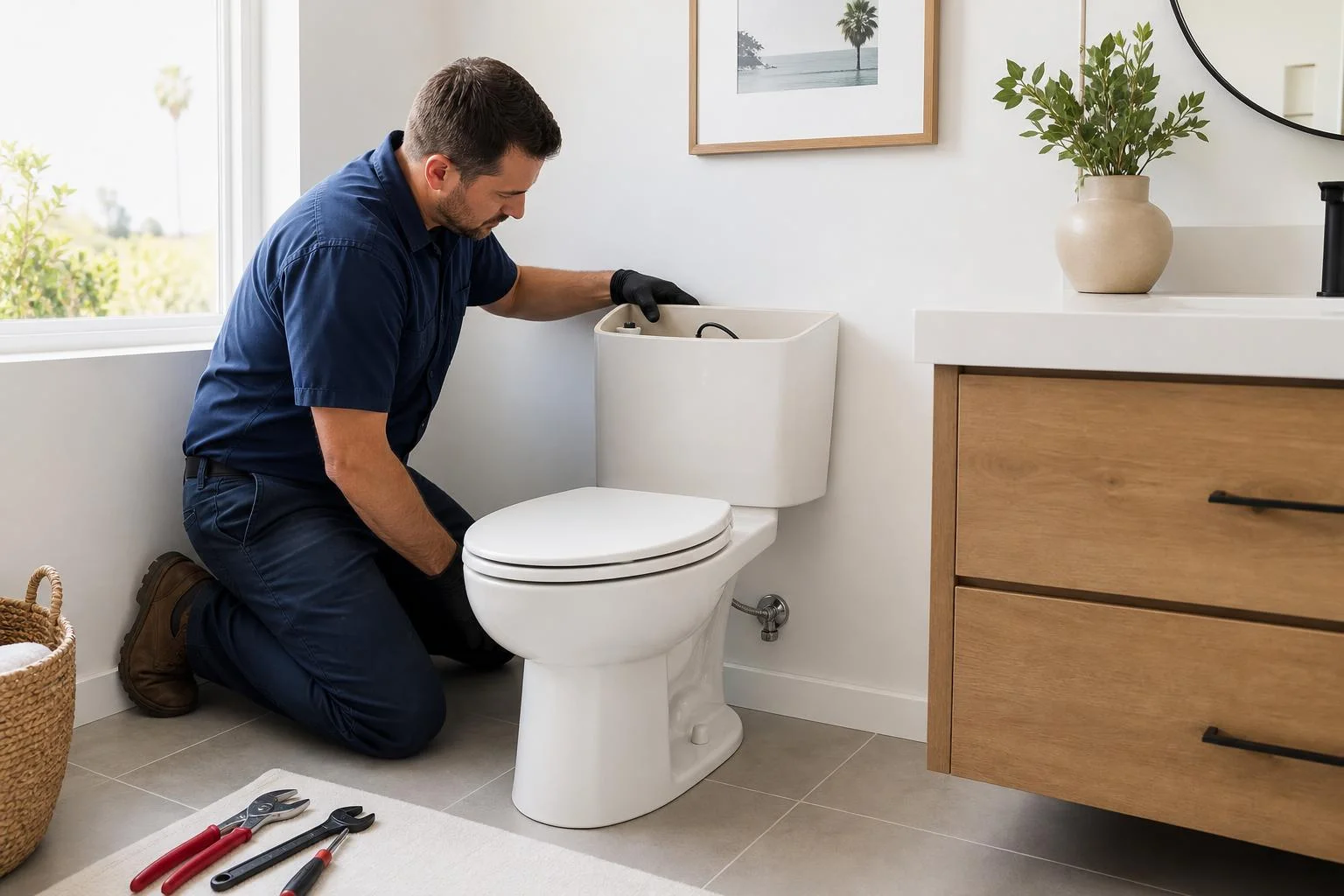
Start by removing the tank lid and checking whether the water level rises above the overflow tube. If it does, the fill valve may be improperly adjusted or failing. The water should generally stop about one inch below the top of the overflow tube. Also inspect the small refill tube; it should be clipped to the overflow tube, not pushed too far down inside it.
If the toilet runs intermittently, add a few drops of food coloring to the tank and wait 15 to 20 minutes without flushing. Color appearing in the bowl indicates that water is leaking past the flapper. Replacing a worn flapper is often a straightforward repair, but a damaged flush valve seat can require more involved toilet repair.
Simple Steps for a Hissing Toilet
- Turn off the shutoff valve behind or below the toilet.
- Flush once to lower the water level in the tank.
- Inspect the flapper for warping, cracks, mineral deposits, or a loose chain.
- Check the fill valve for visible debris or signs of corrosion.
- Restore water and listen carefully as the tank refills.
If the noise continues after adjustment or basic cleaning, schedule service rather than allowing the toilet to run. The U.S. Environmental Protection Agency notes that household leaks can waste nearly 10,000 gallons of water per year in an average home, and toilets are among the most common sources of hidden water loss.
Toilet Gurgling and Drain Cleaning Problems
Gurgling is a different concern. When a toilet gurgles during or after a flush, air may be trapped in the drain line because wastewater is struggling to flow freely. A partial clog in the toilet trap, branch drain, main sewer line, or plumbing vent can interfere with normal drainage and pull air through the bowl.
In older homes across Los Angeles, Long Beach, and parts of Orange County, aging drain pipes and tree-root intrusion can contribute to recurring toilet gurgling. Roots naturally seek moisture and can enter small cracks or joints in sewer lines. Grease buildup, “flushable” wipes, paper towels, and hygiene products can also create restrictions in residential and commercial drains.
Watch for these signs that you may need professional drain cleaning or rooter service:
- The toilet bubbles when the shower, washing machine, or sink drains.
- More than one fixture drains slowly.
- Water rises in the toilet bowl before draining down.
- You notice sewage odors near drains or outdoors.
- Gurgling returns after plunging the toilet.
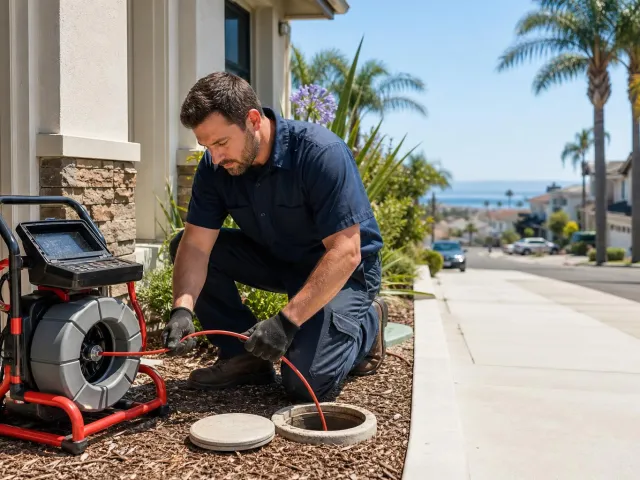
A plunger can clear a minor toilet clog, but it will not remove deep drain obstructions, root growth, or a blockage in the main sewer line. Avoid repeatedly using harsh chemical drain cleaners. These products may damage older pipes, create safety hazards, and rarely solve the underlying issue. A-1 Performance Rooter and Plumbing can evaluate the line and provide the appropriate drain cleaning, rooter, or pipe repair solution.
Banging Pipes, Water Hammer, and High Water Pressure
If your toilet makes a loud bang, thump, or rattling sound when filling or shutting off, the issue may be water hammer. Water hammer occurs when fast-moving water suddenly stops, sending a pressure wave through the plumbing system. It can happen with toilets, washing machines, dishwashers, and other fixtures with quick-closing valves.
High water pressure makes this issue more likely and can shorten the lifespan of supply lines, valves, and appliances. Many plumbing professionals recommend keeping residential water pressure in a safe range, commonly around 40 to 80 psi. Pressure above that range can strain plumbing components and contribute to noisy pipes.
Potential solutions include securing loose pipes, replacing a worn fill valve, servicing a pressure-reducing valve, or installing water hammer arrestors where appropriate. Because water pressure adjustments affect the entire plumbing system, it is best to have a qualified plumber diagnose persistent banging sounds. This is particularly important for multi-unit properties and commercial restrooms in Southern California, where water demand can be high.
When to Call a Southern California Plumber for Toilet Noises
Some toilet noises have simple fixes, but recurring sounds deserve professional attention. Call a plumber promptly if your toilet overflows, sewage backs up, the floor around the base feels soft or wet, water runs continuously, or gurgling affects multiple drains. These symptoms can indicate more than a faulty tank part—they may point to a drain, sewer, pipe, or water-pressure problem.
For reliable plumbing maintenance, avoid flushing anything other than toilet paper and human waste. Keep wipes, cotton swabs, dental floss, feminine products, grease, and paper towels out of the toilet. Periodic drain inspections are also a smart investment for properties with mature landscaping, older sewer pipes, or a history of backups.
A-1 Performance Rooter and Plumbing provides responsive residential and commercial plumbing services throughout Southern California. From a noisy fill valve to advanced sewer line diagnostics, our experienced team focuses on finding the real cause and delivering repairs that last.
Get Help for a Noisy Toilet Today
If you have been wondering, “why is my toilet making a sound?”, do not ignore the warning. A hissing toilet may be wasting water, a gurgling bowl may signal a developing drain blockage, and banging pipes may indicate a pressure concern. Addressing the problem early can help prevent water damage, inconvenient backups, and higher water bills. Whether you are in Los Angeles, Orange County, Long Beach, or another nearby Southern California community, A-1 Performance Rooter and Plumbing is ready to help with toilet repair, drain cleaning, rooter service, and complete plumbing solutions. Call 800-997-3090 today to schedule professional service and get your plumbing running quietly again.