

A toilet is designed to handle only human waste and toilet paper, yet many stubborn plumbing backups begin when everyday items are treated as flushable. Knowing what not to flush protects your toilets, drain lines, sewer connection, and wallet—especially in Southern California, where older pipes, tree roots, hard-water buildup, and high-use households can make a small blockage turn into a major backup. From Los Angeles homes with aging sewer laterals to Orange County restaurants managing busy restrooms, the rule is the same: if it is not toilet paper or human waste, it belongs in the trash. This guide explains the most common items that clog toilets and drains, practical disposal alternatives, and when to call A-1 Performance Rooter and Plumbing for professional help.
What Not to Flush: The Simple Answer
Do not flush anything other than human waste and toilet paper. Even products labeled “flushable” can catch on rough pipe interiors, roots, grease, or existing buildup. Unlike toilet paper, which is engineered to break apart quickly in water, many household materials remain intact as they travel through your plumbing system.
Flushing the wrong items can cause:
- Toilet clogs and repeated overflows
- Slow drains and sewage odors
- Blocked sewer lines and wastewater backups
- Damage to pumps in commercial plumbing systems
- Costly rooter service, pipe repair, or sewer-line replacement
In cities such as Long Beach, Los Angeles, Anaheim, and surrounding Southern California communities, older clay or cast-iron sewer pipes may already have cracks, corrosion, offsets, or root intrusion. A wipe or paper towel that might pass through a newer pipe can snag in an older line and create a much more serious obstruction.
Common Items That Clog Toilets and Sewer Lines
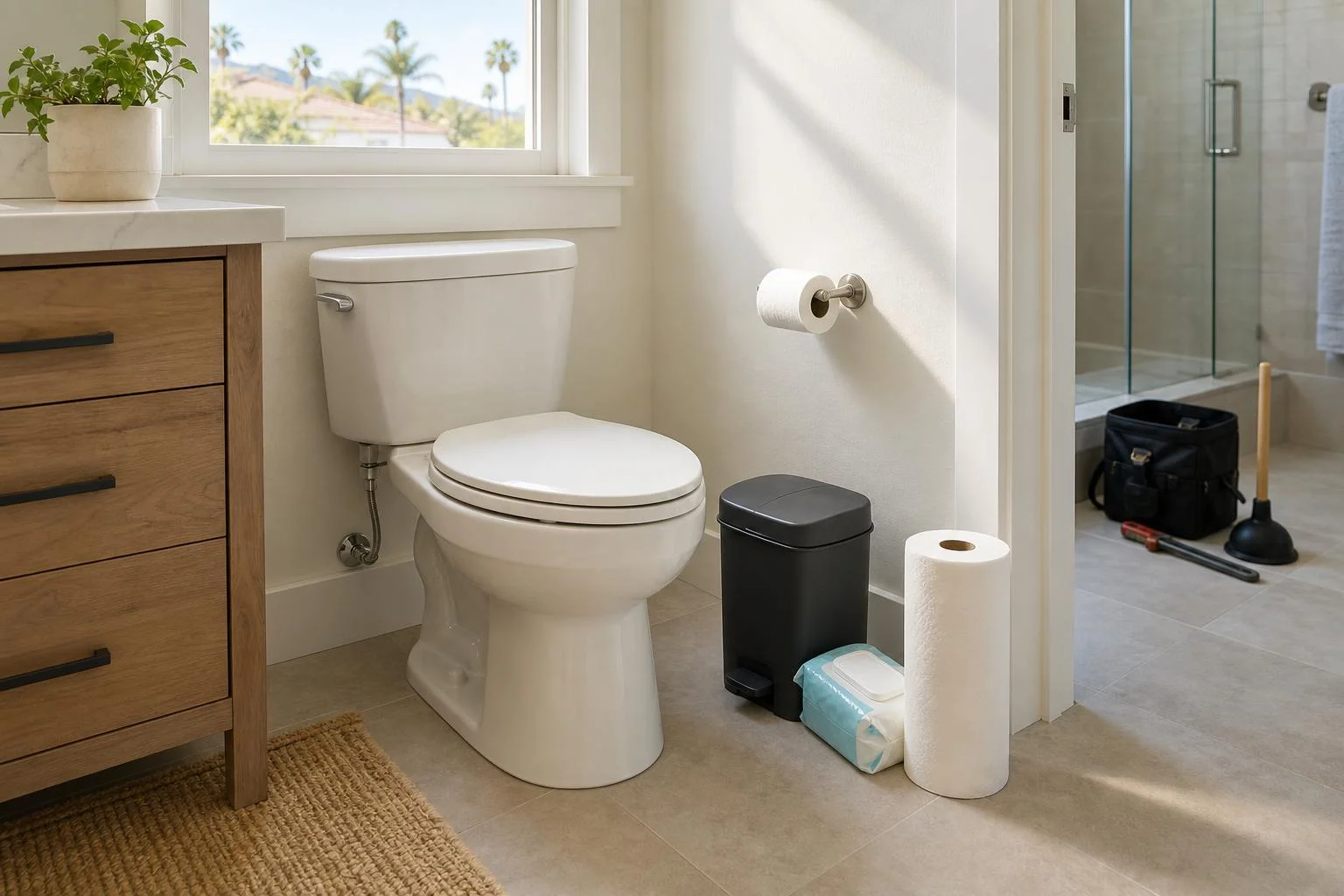
Some materials seem small or harmless when they go down the toilet, but they can accumulate in bends, narrow sections, or damaged pipe areas. Keep a covered trash can in every bathroom so guests and family members have an easy disposal option.
“Flushable” Wipes, Baby Wipes, and Cleaning Wipes
Wipes are one of the leading causes of drain cleaning calls. Most are made with strong fibers that do not dissolve like toilet paper. They can bunch together, catch grease and hair, and form dense blockages often called “rag balls.” This includes baby wipes, makeup-removal wipes, disinfecting wipes, personal hygiene wipes, and paper towels marketed as durable.
Even if one wipe seems to flush without a problem, it can lodge farther down the sewer line. Put all wipes in the trash instead. For commercial properties in Orange County and Los Angeles, post clear restroom signs reminding employees and customers not to flush wipes.
Paper Towels, Tissues, and Feminine Hygiene Products
Paper towels are designed to stay strong when wet, which is exactly why they do not belong in a toilet. Facial tissues can also resist breaking down, particularly when several are flushed at once. Feminine hygiene products, including tampons, pads, liners, applicators, and wrappers, expand or retain their shape in water and can quickly obstruct a toilet trap or branch drain.
Dispose of these items in a lined wastebasket. Never rely on a garbage disposal or toilet to handle materials that belong in solid waste.
Dental Floss, Cotton Products, and Hair
Dental floss does not dissolve and can wrap around debris in pipes like a net. Cotton balls, cotton swabs, bandages, and hair are also common causes of clogs because they absorb water, tangle, and catch other materials. These items are particularly risky for homes with recurring drain issues or mature landscaping, where tree roots may have entered the sewer line.
Why Grease and Food Do Not Belong Down Drains
Although this topic often focuses on toilets, kitchen sinks need the same care. Grease should never be poured down a drain, even with hot water or dish soap. Fats, oils, and grease may look liquid when warm, but they cool and harden inside pipes. They then trap food particles and create a sticky blockage.
Common kitchen items to keep out of drains include:
- Cooking oil, bacon grease, butter, and pan drippings
- Coffee grounds and loose tea leaves
- Rice, pasta, oatmeal, flour, and dough
- Eggshells and fibrous vegetable peels
- Large food scraps, bones, and fruit pits
Let cooking grease cool in a disposable container, then place it in the trash. Scrape plates into the garbage before rinsing them. While a garbage disposal can process small food particles, it is not a substitute for a trash can—and it does not prevent grease from coating your kitchen drain line.
Southern California restaurants, apartment buildings, and commercial kitchens should also maintain grease interceptors according to local requirements. Regular professional drain cleaning helps prevent grease buildup from disrupting business operations or causing unsanitary backups.
How to Keep Drains Clear in Los Angeles and Orange County
Preventive habits are the most affordable form of plumbing maintenance. A few simple changes can reduce the likelihood of emergency clogs, especially in high-traffic households and commercial restrooms.
- Use drain screens. Place screens in showers, tubs, and bathroom sinks to capture hair, soap pieces, and small objects.
- Keep a trash bin nearby. A visible bathroom wastebasket makes proper disposal easy for everyone.
- Use enough toilet paper—but not excessive amounts. If a large amount is necessary, flush in stages rather than forcing it down at once.
- Watch for early warning signs. Gurgling sounds, recurring slow drains, bubbling toilets, sewer odors, and water backing up in a tub may indicate a developing sewer-line problem.
- Schedule professional maintenance. Homes with older pipes, frequent backups, or large trees near the sewer route can benefit from camera inspection and preventive rooter service.
Avoid using harsh chemical drain cleaners as a routine solution. These products may not remove the real obstruction and can be corrosive to certain pipes, fixtures, and seals. A professional plumber can identify whether the issue is localized in a fixture drain or located deeper in the main sewer line.
When a Clog Needs Professional Rooter Service
A plunger can resolve a minor toilet clog, but repeated problems deserve professional attention. Call a plumber promptly if multiple drains are slow, sewage comes up through a tub or shower, a toilet overflows repeatedly, or plunging does not restore normal flow. These symptoms can point to a main sewer blockage, root intrusion, grease accumulation, or damaged pipe.
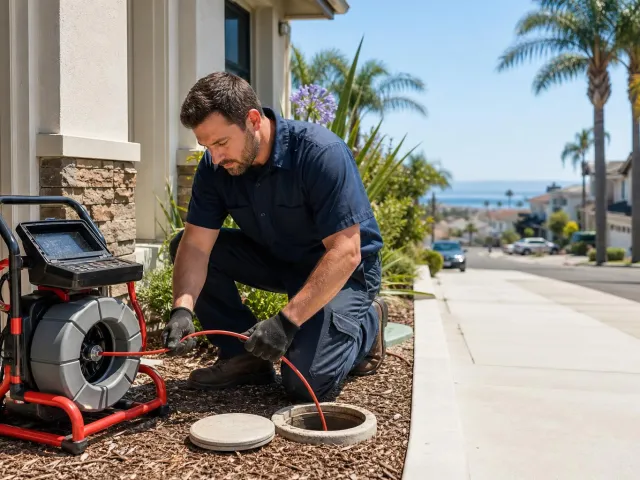
A-1 Performance Rooter and Plumbing provides thorough drain cleaning, rooter services, sewer camera inspections, pipe repair, and general plumbing for residential and commercial properties throughout Southern California. Our technicians can locate the source of the blockage rather than simply pushing debris farther down the line. For properties in Los Angeles, Long Beach, Orange County, and nearby areas, timely service can help prevent water damage, sanitation concerns, and larger repair costs.
Frequently Asked Question: Are Flushable Wipes Really Safe?
No. Flushable wipes are not reliably safe for home plumbing or municipal sewer systems. While they may clear the toilet bowl initially, they generally do not break down as quickly as toilet paper. They can combine with grease, hair, and other debris to create a sewer blockage. The safest choice is to throw every type of wipe in the trash.
Understanding what not to flush is one of the easiest ways to protect your plumbing system. Keep wipes, paper towels, hygiene products, floss, cotton items, grease, and food scraps out of toilets and drains, and give your pipes the best chance to flow freely. If you notice persistent clogs, gurgling, unpleasant odors, or a backup in your Los Angeles, Long Beach, or Orange County property, do not wait for the problem to worsen. A-1 Performance Rooter and Plumbing has the equipment and local expertise to clear blocked drains, inspect sewer lines, and recommend lasting repairs. Contact our Southern California plumbing team today to schedule dependable drain cleaning or emergency rooter service.