

Buying a home in Southern California is exciting, but a beautiful kitchen, fresh paint, or desirable Los Angeles neighborhood can distract from expensive problems hidden behind walls and beneath floors. Before you remove contingencies or accept the keys, a Southern California home plumbing inspection can help uncover leaks, aging pipes, sewer line damage, and water-heater concerns that may not appear during a general walkthrough. From older Long Beach bungalows to newer Orange County properties, local homes face hard-water scale, seismic movement, mature tree roots, and aging infrastructure. This checklist explains what to evaluate before buying, why each issue matters, and when to bring in a plumbing professional. For a detailed pre-purchase inspection, call A-1 Performance Rooter and Plumbing at 800-997-3090.
Why a Southern California Home Plumbing Inspection Matters
A standard home inspection is valuable, but it may not provide the detailed drain, sewer, and pipe evaluation needed to identify hidden plumbing risks. A professional Southern California home plumbing inspection focuses on the systems that carry clean water into the property and wastewater safely away from it.
Plumbing problems can become costly after closing because many are concealed underground, inside walls, or beneath slabs. The U.S. Environmental Protection Agency notes that household leaks can waste nearly 10,000 gallons of water per year. In a region where water conservation matters, even a small leak can affect both utility costs and a home’s condition.
Southern California buyers should be especially attentive to:
- Older galvanized or cast-iron piping in established neighborhoods of Los Angeles, Pasadena, Long Beach, and parts of Orange County.
- Tree-root intrusion in sewer lines, particularly on lots with mature ficus, palm, or other large-rooted landscaping.
- Hard-water mineral buildup that can reduce fixture performance and shorten water-heater life.
- Slab leaks and shifting pipes associated with soil movement and seismic activity.
- Unpermitted or poorly completed plumbing alterations in remodeled kitchens, bathrooms, garages, and accessory dwelling units.
Identifying these conditions before closing gives buyers useful information for negotiations, repair requests, budgeting, and future maintenance planning.
Check the Sewer Line With a Camera Inspection
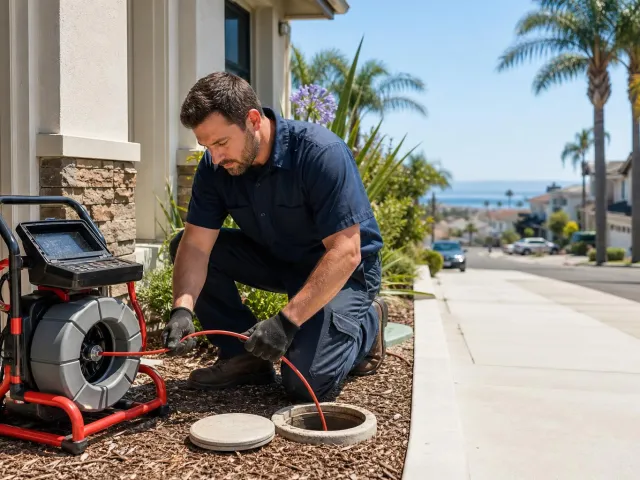
One of the most important pre-purchase services is a sewer camera inspection. A plumber feeds a specialized camera through an accessible cleanout or drain to view the interior condition of the sewer lateral—the private line running from the home to the municipal sewer connection.
A camera inspection can reveal conditions that are impossible to confirm from a sink test alone, including:
- Root intrusion blocking or cracking the pipe
- Offset joints caused by movement or deterioration
- Bellies or low sections where wastewater and debris collect
- Cracked, collapsed, corroded, or deteriorating pipe material
- Construction debris, wipes, grease buildup, or other obstructions
- Improper connections or previous patch repairs
Do not assume that drains are problem-free because they empty during a quick showing. Partial sewer line blockages can drain slowly until heavy water use, laundry, guests, or rain-related groundwater conditions expose the problem. Older homes in Los Angeles and Long Beach may still have aging clay, cast-iron, or Orangeburg components that deserve a closer look.
Ask These Questions About Sewer and Drain Condition
- When was the sewer line last inspected, cleaned, repaired, or replaced?
- What material is the sewer lateral made from?
- Are there large trees located between the home and the street connection?
- Has the property experienced backups, slow drains, odors, or water pooling?
- Is there an accessible sewer cleanout for future drain cleaning and maintenance?
If a camera inspection identifies a concern, A-1 Performance Rooter and Plumbing can explain the findings clearly and discuss appropriate options, from professional drain cleaning to pipe repair or replacement planning.
Inspect Water Supply Pipes, Fixtures, and Signs of Leaks
Next, evaluate the water supply side of the plumbing system. Turn on faucets, flush toilets, and run shower fixtures one at a time and, when possible, at the same time. Look for weak water pressure, discolored water, banging pipes, dripping fixtures, and slow drainage. These symptoms do not always mean a major repair is needed, but they should be investigated before the purchase is final.
Pay close attention to visible piping under sinks, around water heaters, in garages, and near exterior hose bibs. Warning signs include corrosion, green staining on copper, rust, damp cabinets, patched drywall, warped flooring, mildew odors, and fresh paint in isolated areas. These can indicate an active or previous leak.
For Southern California homes, a few additional checks are particularly useful:
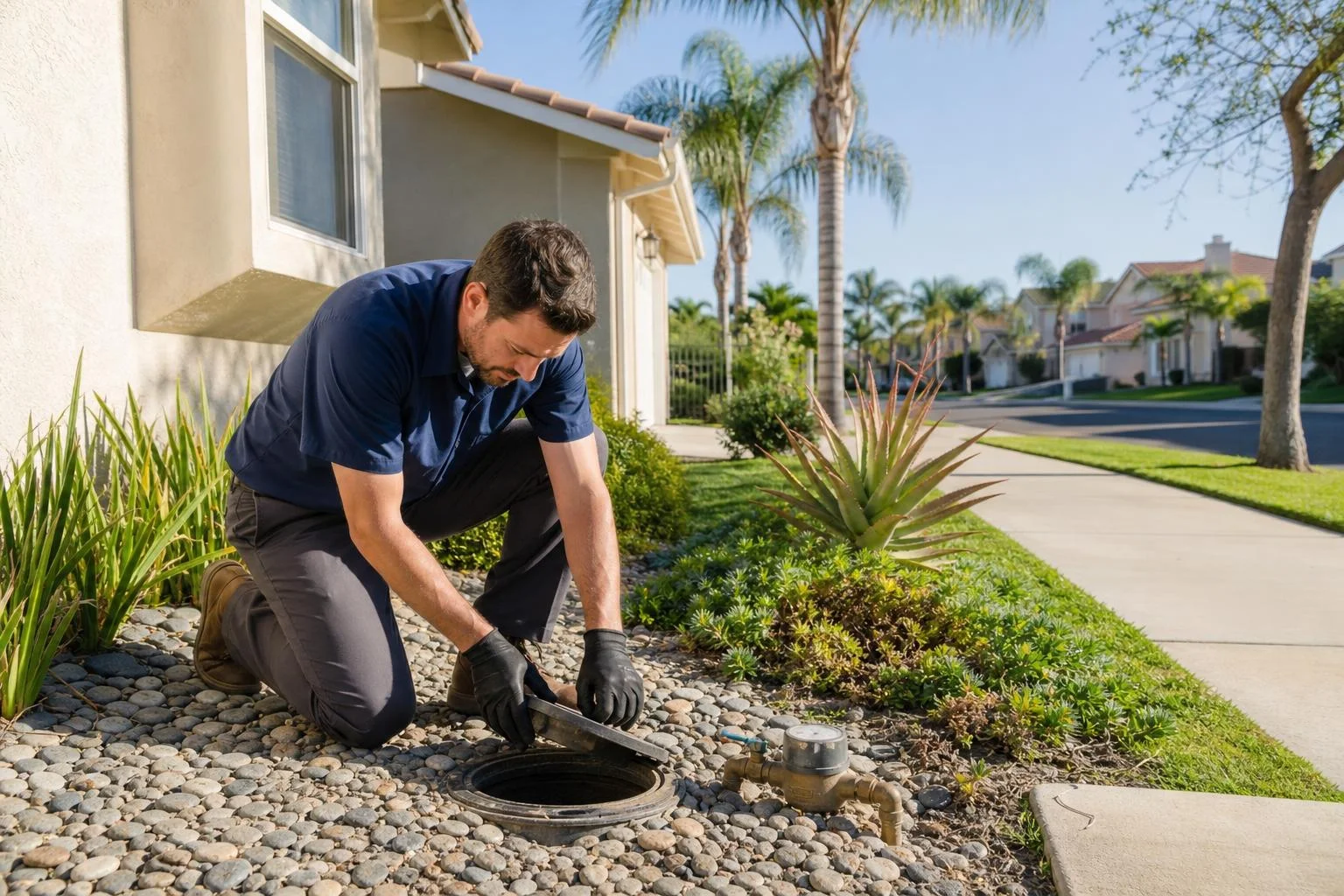
- Water meter test: With all water fixtures off, a moving meter indicator may suggest a hidden leak.
- Water pressure: Excessively high pressure can strain valves, appliance hoses, and pipe connections. A pressure-regulating valve may be needed.
- Pipe material: Ask whether the home contains galvanized steel, copper, PEX, CPVC, or a mix of materials. Older galvanized lines can corrode internally and restrict flow.
- Slab leak indicators: Watch for unexplained warm spots, damp flooring, unusually high water bills, or the sound of running water when fixtures are off.
A qualified plumbing inspection goes beyond spotting a drip. It helps determine whether a visible symptom is a minor fixture repair or evidence of a larger issue in the home’s water lines.
Evaluate the Water Heater and Safety Components
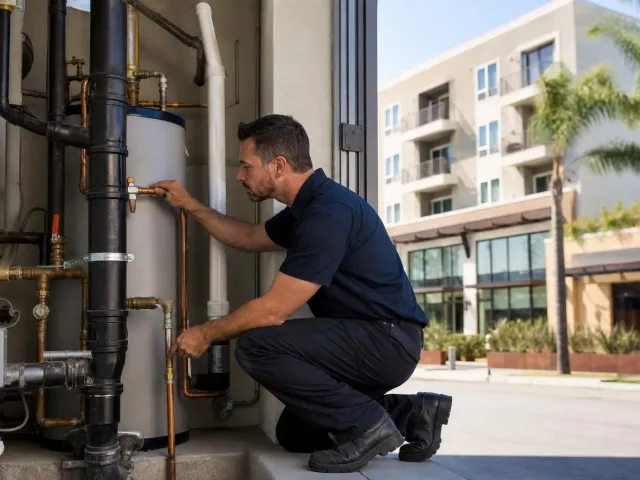
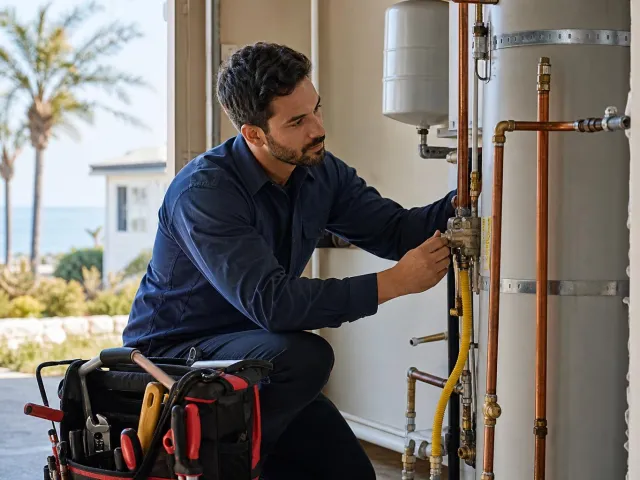
A water heater is easy to overlook during a purchase, yet replacement and installation costs can quickly add to a new homeowner’s expenses. Check the manufacturer label for the unit’s age, fuel type, capacity, and condition. Traditional tank water heaters often have a service life of roughly 8 to 12 years, although water quality, maintenance, installation quality, and usage patterns can affect longevity.
During a water heater inspection, look for:
- Rust, corrosion, water pooling, or leaks around the tank and connections
- Proper seismic strapping, an important safety consideration in Southern California
- A correctly installed temperature-and-pressure relief valve and discharge pipe
- Appropriate venting for gas water heaters
- Signs of mineral scale, rumbling, or inconsistent hot-water delivery
- Proper drainage-pan and drain-line setup when required by location and installation conditions
Also check whether the property has a tankless water heater, recirculation system, water softener, or filtration equipment. These systems can be excellent features, but they need correct installation and periodic service. Hard water is common throughout much of Orange County, Inland Empire communities, and Los Angeles County, so scale maintenance can be important for protecting fixtures and water-heating equipment.
Know When to Call a Professional Plumber Before Closing
Buyers should call a plumber when a general inspector identifies drainage concerns, moisture, corroded pipes, an aging water heater, low pressure, or evidence of prior plumbing repairs. It is also wise to schedule a specialized inspection for older homes, properties with large trees, houses on slabs, and homes with significant remodeling history.
Professional plumbing inspection is especially valuable when you notice:
- Multiple slow drains or gurgling toilets
- Sewage smells near bathrooms, yards, or cleanouts
- Water stains, mold-like odors, or unexplained damp spots
- A water heater near or beyond its expected service life
- Frequent past insurance claims or seller disclosures involving water damage
- Unusual pipe materials, mismatched connections, or missing shutoff valves
Request documentation whenever repairs are recommended. A clear report and camera findings can help you understand urgency, compare repair options, and make informed decisions during the inspection contingency period. Whether you are purchasing in Los Angeles, Long Beach, Orange County, or surrounding Southern California communities, A-1 Performance Rooter and Plumbing provides practical insight backed by professional plumbing experience.
Protect Your Investment Before You Buy
A home purchase should not come with surprise sewer backups, leaking pipes, or a failing water heater shortly after move-in. Use this Southern California home plumbing inspection checklist to look beyond cosmetic upgrades and evaluate the systems that protect your comfort, health, and investment. Prioritize a sewer camera inspection, test drains and water pressure, review pipe condition, and confirm that the water heater and safety components are in good shape. These steps can reveal concerns early and give you time to address them before closing. For reliable pre-purchase plumbing inspections, drain evaluations, rooter service, pipe repair guidance, and water-heater expertise throughout Southern California, contact A-1 Performance Rooter and Plumbing today at 800-997-3090. Get professional answers before you buy with confidence.