

Slow draining water is more than an everyday annoyance. Whether it is a bathroom sink that takes forever to empty, a shower that leaves water around your feet, or a kitchen sink that backs up after dishes, a sluggish drain often signals buildup or a developing blockage. In Southern California, hard-water minerals, hair, soap residue, cooking grease, and tree roots can all contribute to drainage problems. The good news is that many minor issues can be addressed safely before they become a messy overflow. This guide explains what to do first, which DIY steps are worth trying, and when to call A-1 Performance Rooter and Plumbing for professional drain cleaning in Los Angeles, Orange County, Long Beach, and surrounding communities.
Slow Draining Water: Start With the Right Diagnosis
The location and pattern of slow draining water can help identify the likely cause. A single slow fixture usually points to a localized clog. For example, a bathroom sink may be restricted by toothpaste, soap scum, hair, and grooming products near the stopper or trap. A slow kitchen drain is more likely to involve grease, food particles, or detergent residue.
When several fixtures drain slowly at the same time, however, the issue may be deeper in the plumbing system. A main sewer line blockage can affect multiple sinks, tubs, showers, or toilets. This requires prompt professional attention, especially if wastewater backs up into a tub or shower when a toilet is flushed.
Common Causes of Slow Drains in Southern California
- Hair and soap buildup: The leading cause of slow shower, tub, and bathroom sink drains.
- Grease and food waste: Cooking oil, fats, coffee grounds, rice, pasta, and fibrous foods can accumulate in kitchen drain pipes.
- Hard-water scale: Mineral deposits can narrow pipes and reduce water flow over time, particularly in areas with harder water.
- Tree root intrusion: Roots seek moisture and can enter small cracks in aging sewer lines, a frequent issue for properties with mature landscaping in Los Angeles and Orange County.
- Damaged or aging pipes: Corrosion, bellied sewer lines, offsets, and cracks can trap debris and repeatedly cause drainage problems.
A useful rule: if the problem is isolated to one fixture and started gradually, begin with basic cleaning. If it is widespread, recurring, or accompanied by odors and backups, contact a licensed plumber for an inspection.
Safe DIY Steps for a Slow Sink, Shower, or Tub Drain
For a minor clog, homeowners can take a few low-risk steps before scheduling professional drain cleaning. Avoid aggressive chemical drain cleaners. These products can create heat, damage certain pipes and seals, produce hazardous fumes, and make future plumbing work less safe if chemicals remain in the line.
- Remove visible debris. Take out the sink stopper or shower drain cover and remove hair, soap residue, or debris with gloves or a small plastic drain tool.
- Flush with hot water. Run hot tap water for several minutes to help clear soft soap and grease buildup. Do not pour boiling water into delicate fixtures or PVC piping.
- Use a plunger correctly. For a sink, cover the overflow opening with a damp cloth, add enough water to cover the plunger cup, and use several firm plunges. For a double-bowl kitchen sink, seal the second drain opening first.
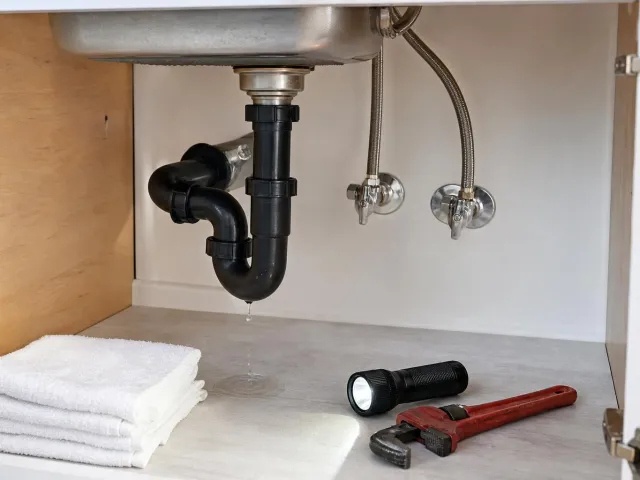
- Clean the P-trap when accessible. Place a bucket below the curved pipe under the sink, loosen it carefully, and remove trapped debris. Reassemble it tightly and test for leaks.
- Use a hand snake cautiously. A small hand auger can remove shallow hair clogs, but forcing it too far can damage fixtures or push a blockage deeper.
If water still drains slowly after these steps, stop before the problem worsens. Repeated plunging or excessive snaking does not resolve pipe scale, root intrusion, or an obstruction farther down the line.
When to Call for Professional Drain Cleaning
Professional drain cleaning is the best next step when DIY efforts do not restore normal drainage or when warning signs indicate a larger plumbing issue. A-1 Performance Rooter and Plumbing uses professional-grade equipment to locate and remove tough blockages without relying on harsh chemicals.
Call a plumber promptly if you notice any of the following:
- More than one drain is slow, gurgling, or backing up.
- A toilet bubbles when a sink, washer, or shower drains.
- You smell sewage or persistent foul odors near drains.
- Water backs up into a shower or tub.
- The same drain clogs repeatedly after temporary fixes.
- Your home has large trees or an older sewer line.
- You see water around cleanouts, floor drains, or exterior sewer areas.
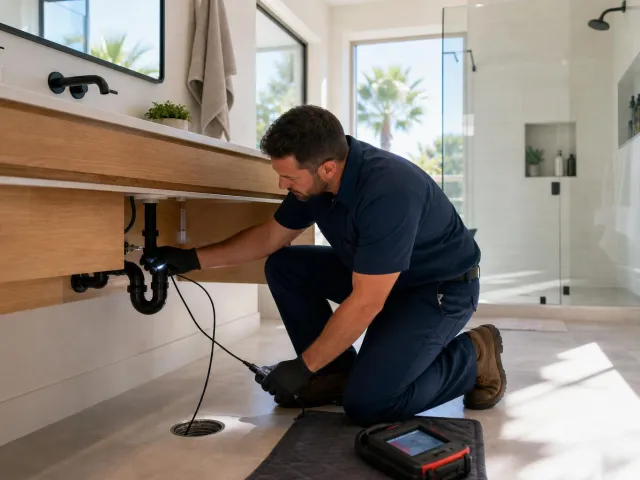
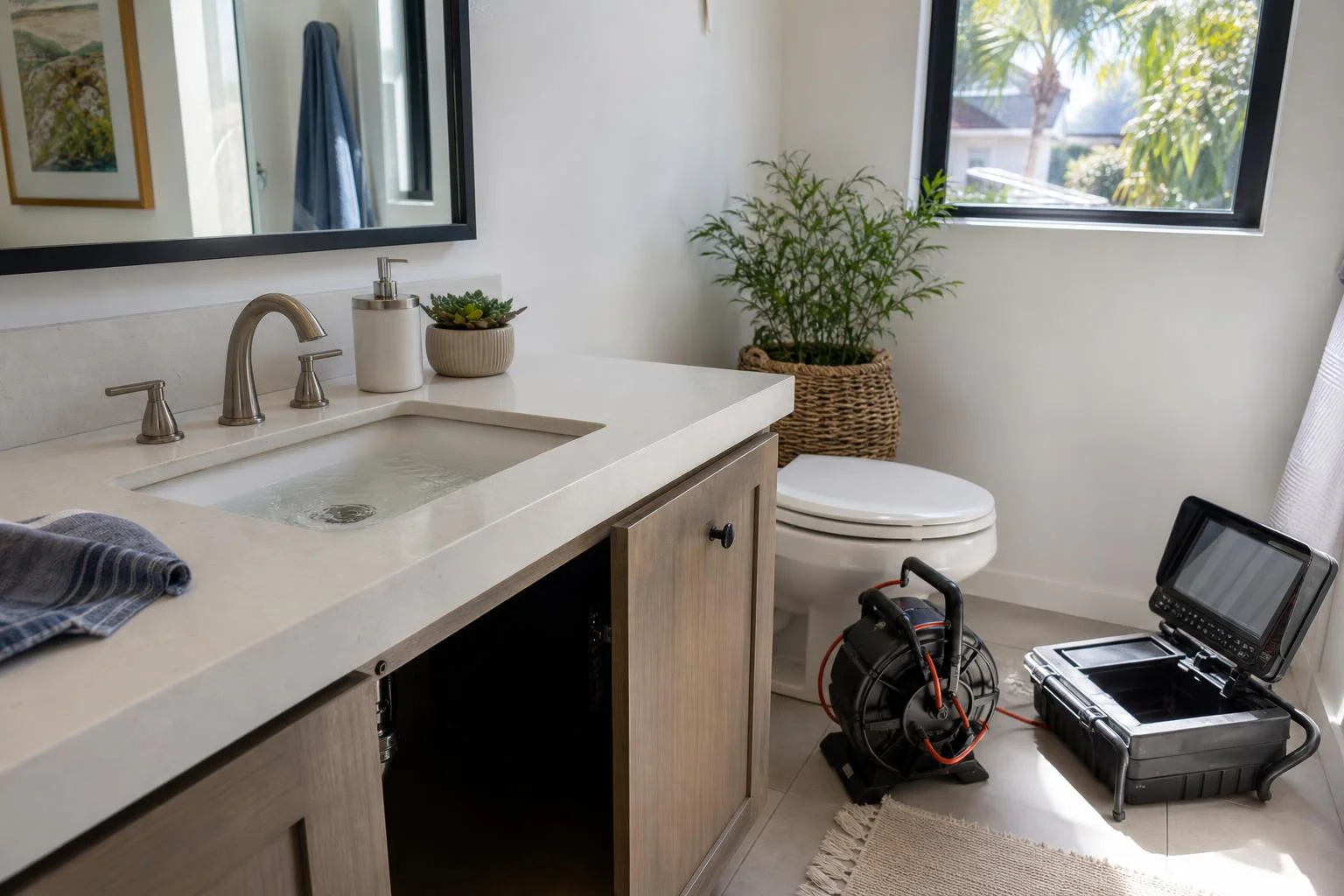
A drain camera inspection can be especially valuable for recurring clogs. It allows a plumbing professional to see whether the issue is grease buildup, a collapsed section, root growth, pipe corrosion, or another condition inside the line. For many Southern California homes, camera inspection prevents guesswork and helps determine whether rooter service, hydro jetting, or pipe repair is the appropriate solution.
Rooter Service and Hydro Jetting for Tough Clogs
Rooter service uses specialized cable machines to cut through roots and break apart many common obstructions. It is often effective for blocked sewer lines and stubborn drain clogs. Hydro jetting uses carefully controlled high-pressure water to scour the inside of pipes and remove grease, sludge, mineral scale, and debris. It can be an excellent option for restaurants, commercial properties, and homes with chronic kitchen or sewer drain issues.
The right method depends on the pipe’s material, condition, and the type of blockage. A qualified plumber should evaluate older or damaged lines before hydro jetting. At A-1 Performance Rooter and Plumbing, the goal is not simply to get water moving temporarily; it is to address the cause of the drainage issue and help reduce repeat clogs.
Prevent Slow Drains With Simple Plumbing Maintenance
Consistent maintenance is the most practical way to avoid slow draining water and unexpected backups. The Environmental Protection Agency notes that household leaks can waste nearly 10,000 gallons of water per year in an average home. While a slow drain is not always a leak, paying attention to plumbing changes early can help prevent water waste, property damage, and emergency repairs.
Use these preventive drain care habits:
- Install mesh screens in showers, tubs, and bathroom sinks to catch hair.
- Dispose of grease in a heat-safe container and place it in the trash once cooled; never pour it down the kitchen drain.
- Keep coffee grounds, eggshells, flour, rice, pasta, and fibrous vegetable scraps out of the garbage disposal.
- Run cold water before, during, and after using the disposal.
- Clean stoppers and drain screens monthly.
- Schedule preventive sewer line cleaning if your property has mature trees, recurring backups, or older pipes.
- Address slow drains early instead of waiting for a complete clog.
Business owners in Long Beach, Los Angeles, and Orange County should also consider routine commercial drain cleaning. Commercial kitchens, salons, apartment buildings, and retail restrooms often experience heavier drain use, making scheduled maintenance a cost-effective way to reduce disruptions.
Get Reliable Drain Help From a Southern California Plumber
A drain that is slow today can become a backup tomorrow. If basic cleaning does not solve the issue, or if several fixtures are affected, professional service can protect your home or business from avoidable damage. A-1 Performance Rooter and Plumbing provides dependable rooter services, drain cleaning, sewer camera inspections, pipe repair, and general plumbing support across Southern California.
Do not mask a recurring clog with chemical products or wait for wastewater to overflow. Contact A-1 Performance Rooter and Plumbing to diagnose the source of your slow drain and receive the right solution for your property. From a single clogged bathroom sink to a main sewer line problem, our experienced plumbing team is ready to help restore reliable drainage.