

A sink leaking nonstop may seem like a minor annoyance, but the steady drip can waste water, increase utility costs, damage cabinets, and create conditions for mold beneath the sink. Whether it is a bathroom faucet in Los Angeles, a kitchen sink in Long Beach, or a commercial restroom fixture in Orange County, identifying the source quickly matters. The leak may be caused by a worn washer, failed cartridge, loose supply connection, damaged drain seal, or a pipe issue hidden inside the cabinet. This guide explains why sinks keep dripping, what homeowners can safely check, and when to call A-1 Performance Rooter and Plumbing for professional repair.
Why Is My Sink Leaking and Won’t Stop Dripping?
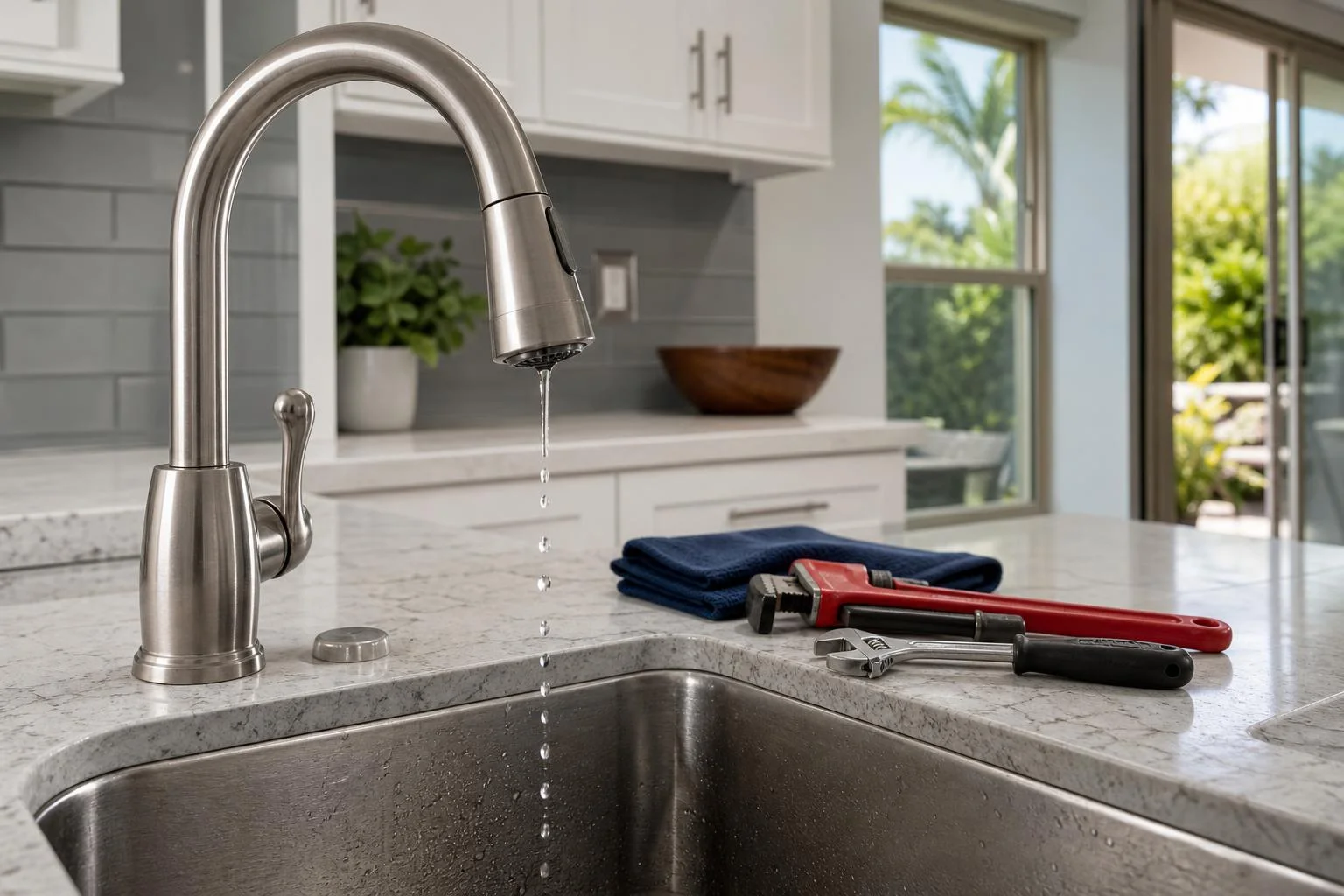
The most common reason for a faucet that will not stop dripping is a worn internal component. Modern faucets rely on small seals, cartridges, O-rings, washers, and valve seats to stop water flow when the handle is turned off. Over time, mineral buildup and normal wear can prevent those parts from sealing properly.
Southern California’s hard water can make the problem worse. In communities across Los Angeles County and Orange County, mineral deposits may build up around faucet cartridges and aerators, causing sticking, corrosion, and premature seal failure. Even a small drip deserves attention: the U.S. Environmental Protection Agency notes that household leaks can waste nearly 10,000 gallons of water per year, and a faucet dripping once per second can waste thousands of gallons annually.
Common causes of a sink leaking include:
- Worn washers: Common in compression-style faucets with separate hot and cold handles.
- Damaged cartridge: Often responsible for drips in single-handle faucets.
- Failed O-rings or seals: These can cause water to leak near the handle or faucet base.
- Corroded valve seat: The valve seat connects the faucet to the spout and can become rough or corroded.
- Loose supply line connections: A leak under the sink may come from the hot or cold water line.
- Drain or P-trap issues: Water may appear only when the sink is draining, rather than when the faucet is off.
How to Find the Source of a Kitchen or Bathroom Sink Leak
Before attempting a repair, determine exactly where the water is coming from. A faucet drip and an under-sink plumbing leak require different solutions. Dry the sink, faucet, cabinet, and pipes with a towel, then observe the area for several minutes.
Check for a Drip From the Faucet Spout
If water continues coming out of the spout after both handles are fully closed, the problem is usually inside the faucet. A single-handle faucet commonly needs a replacement cartridge, while an older two-handle fixture may need a new washer, O-ring, or valve seat repair.
Look for Water Around the Faucet Base or Handles
Water collecting at the base of the faucet or near a handle often points to an O-ring, packing nut, cartridge, or internal seal problem. This type of leak may be easy to overlook because water can run down the faucet body and pool behind the sink.
Inspect Pipes and Connections Under the Sink
Place a dry paper towel around each connection beneath the sink, including shutoff valves, supply lines, drain pipes, the P-trap, and garbage disposal connections. Run hot and cold water, then fill and drain the basin. The paper towel can reveal a slow leak that is not immediately visible.
If the leak is coming from a supply line, shutoff valve, wall pipe, or corroded drain pipe, contact a licensed plumber. Overtightening fittings or using the wrong sealant can turn a manageable repair into water damage inside the wall or cabinet.
What to Do When Your Sink Won’t Stop Dripping
A persistent dripping sink should be addressed promptly. If the drip is from the faucet spout and you need to stop it while waiting for service, turn off the water supply valves under the sink. Most sinks have two oval or round valves: one for hot water and one for cold. Turn both clockwise gently until closed. Then open the faucet to relieve pressure.
Follow these immediate steps:
- Protect the cabinet: Put a bucket or absorbent towels under the sink if there is active leakage.
- Turn off the local shutoff valves: Shut off both hot and cold supplies if water is dripping from the faucet or supply lines.
- Avoid chemical drain cleaners: They will not fix a faucet leak and can damage older pipes, seals, and garbage disposal components.
- Do not force stuck handles: Excessive pressure can break the faucet or damage the valve assembly.
- Call a professional if water is spreading: Water near electrical outlets, a garbage disposal, or damaged cabinets needs prompt attention.
Homeowners with the exact faucet model and basic plumbing experience may be able to replace a cartridge or washer. However, faucet parts are not universal, and installing the wrong component can leave the sink leaking or create a new problem. A professional plumber can identify the fixture type, locate compatible parts, and test the repair for hidden leaks.
When to Call a Southern California Plumber for Sink Repair
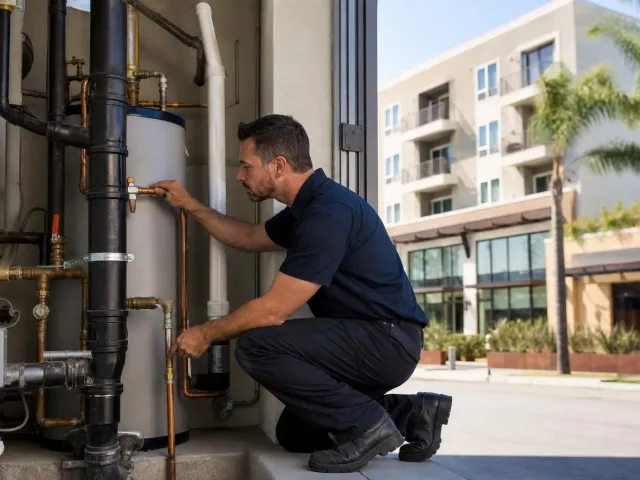
Call a plumber when the source is unclear, the shutoff valves do not work, the leak is under the sink, or a DIY repair has not stopped the drip. Professional service is especially important for older homes in Los Angeles, Long Beach, Pasadena, and surrounding areas, where aging galvanized pipes, corroded valves, and worn drain assemblies can complicate a seemingly simple faucet repair.
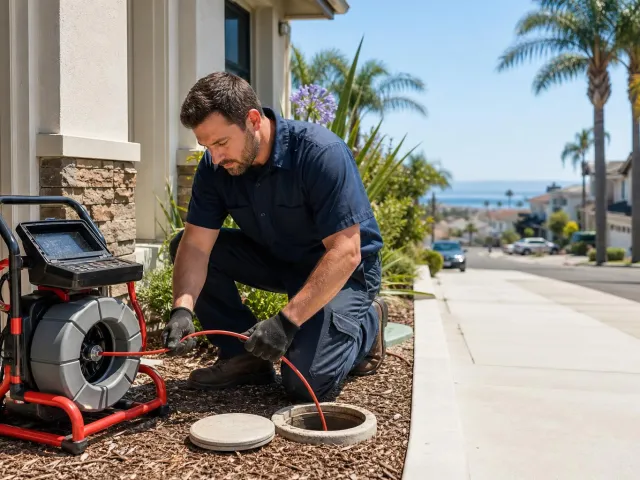
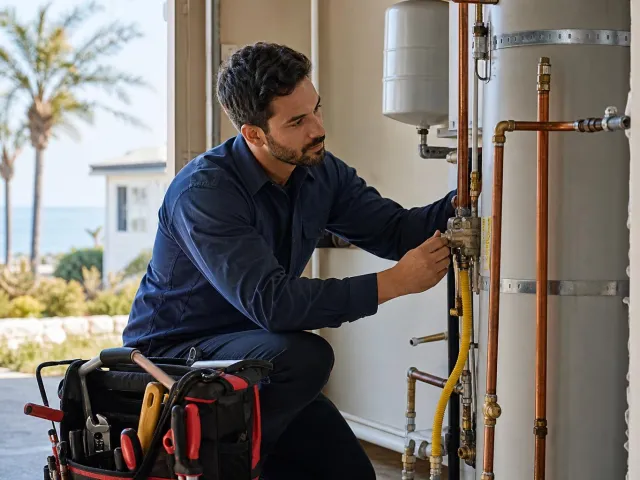
A-1 Performance Rooter and Plumbing can inspect the entire fixture and plumbing system, not just the visible drip. Our technicians help residential and commercial customers with faucet repairs, sink drain repair, pipe leaks, clogged drains, garbage disposal issues, and water-saving fixture upgrades.
Contact a plumbing professional right away if you notice:
- Water stains, soft cabinet flooring, warped wood, or moldy odors
- A leak that continues after turning off the faucet
- Rust or corrosion on shutoff valves, supply lines, or drain pipes
- Low water pressure along with a dripping faucet
- Water leaking from a garbage disposal or dishwasher connection
- Multiple plumbing fixtures dripping or showing pressure-related issues
Prevent Future Faucet Drips and Under-Sink Leaks
Regular maintenance can extend the life of kitchen and bathroom fixtures. Check under each sink every few months, especially after a garbage disposal jam or drain clog. Look for dampness, corrosion, loose fittings, and signs that a supply line is aging. Replacing deteriorated braided supply lines before they fail can help prevent an unexpected flood.
To reduce future sink plumbing problems:
- Clean aerators periodically to reduce hard-water mineral buildup.
- Do not use the faucet handle as a place to hang heavy towels or items.
- Avoid pouring grease, coffee grounds, and food debris down kitchen drains.
- Use sink strainers to reduce clogs that place stress on drain connections.
- Schedule professional drain cleaning instead of relying on harsh chemical products.
- Have old shutoff valves and corroded plumbing components evaluated during service visits.
For businesses, restaurants, property managers, and homeowners throughout Southern California, proactive plumbing maintenance is typically less disruptive and less expensive than emergency water damage repairs. A qualified plumber can catch leaks early and help keep fixtures operating efficiently.
Get Fast Help for a Sink That Keeps Dripping
A nonstop drip is more than a nuisance. A sink leaking can waste water every day, raise bills, damage cabinetry, and signal worn plumbing parts that need professional attention. Start by identifying whether the water is coming from the faucet, handle, supply line, drain, or P-trap. Turn off the local water valves if needed, protect the area under the sink, and avoid temporary fixes that could conceal a more serious leak.
A-1 Performance Rooter and Plumbing provides dependable sink repair, leak detection, drain service, and general plumbing throughout Los Angeles, Orange County, Long Beach, and nearby Southern California communities. Do not let a small drip become costly water damage. Call A-1 Performance Rooter and Plumbing today at 800-997-3090 to schedule expert plumbing service.