

Southern California heat waves put more than people, pets, and air conditioners under pressure—they can also strain the plumbing hidden behind your walls, beneath your slab, and around your property. Extreme heat can raise water demand, dry out drain traps, worsen small leaks, and expose weaknesses in aging pipes. To protect your plumbing during a heat wave, homeowners and business owners should combine smart water-use habits with a quick inspection of vulnerable fixtures and outdoor lines. From Los Angeles and Long Beach to Orange County, A-1 Performance Rooter and Plumbing helps property owners prevent disruptive drain backups, pipe leaks, and water-heater problems before they become emergencies. Use the practical steps below to keep your system reliable during hot weather.
How to Protect Your Plumbing During a Heat Wave
The best way to protect your plumbing during a heat wave is to reduce unnecessary water stress, inspect exposed components, and act quickly when you notice changes in pressure, drainage, or water quality. Heat does not usually damage plumbing overnight, but prolonged high temperatures can amplify existing issues—especially in older Southern California homes with galvanized, copper, or aging plastic pipe systems.
Start with this heat-wave plumbing checklist:
- Check for leaks: Look under sinks, around toilets, at hose bibs, and near your water heater for drips, corrosion, or moisture.
- Watch your water bill: A sudden increase may signal a hidden leak or continuously running toilet.
- Test drains: Slow sinks, showers, or toilets may indicate a developing blockage that heavy summer water use could worsen.
- Inspect outdoor plumbing: Examine irrigation lines, sprinkler heads, exposed hoses, and exterior faucets for cracks or leaks.
- Know your shutoff valve: Every household member or building manager should know where the main water shutoff is located.
According to the U.S. Environmental Protection Agency, household leaks can waste nearly 10,000 gallons of water per year in an average home. In a region where water conservation matters, repairing even a small leak promptly protects both your plumbing system and your monthly utility costs.
Heat Wave Plumbing Problems in Los Angeles and Orange County
Hot, dry weather creates specific challenges for residential and commercial plumbing in Los Angeles, Orange County, Long Beach, and surrounding communities. High demand for showers, laundry, dishwashing, irrigation, and cooling can reveal problems that remain unnoticed during milder weather.
Dry Drain Traps Can Cause Sewer Odors
Every sink, shower, floor drain, and other plumbing fixture has a trap designed to hold a small amount of water. This water seal blocks sewer gases from entering the building. During a heat wave, water in rarely used drains can evaporate faster than usual. This is especially common in guest bathrooms, laundry rooms, vacant units, garages, and commercial floor drains.
If you smell sewer gas, do not ignore it. First, slowly pour about a quart of water into each infrequently used drain. For drains that will remain unused, a small amount of mineral oil added after the water can slow evaporation. If odors persist, there may be a cracked drain line, blocked vent, failed trap, or other issue requiring professional diagnosis.
Outdoor Pipes and Irrigation Lines May Leak
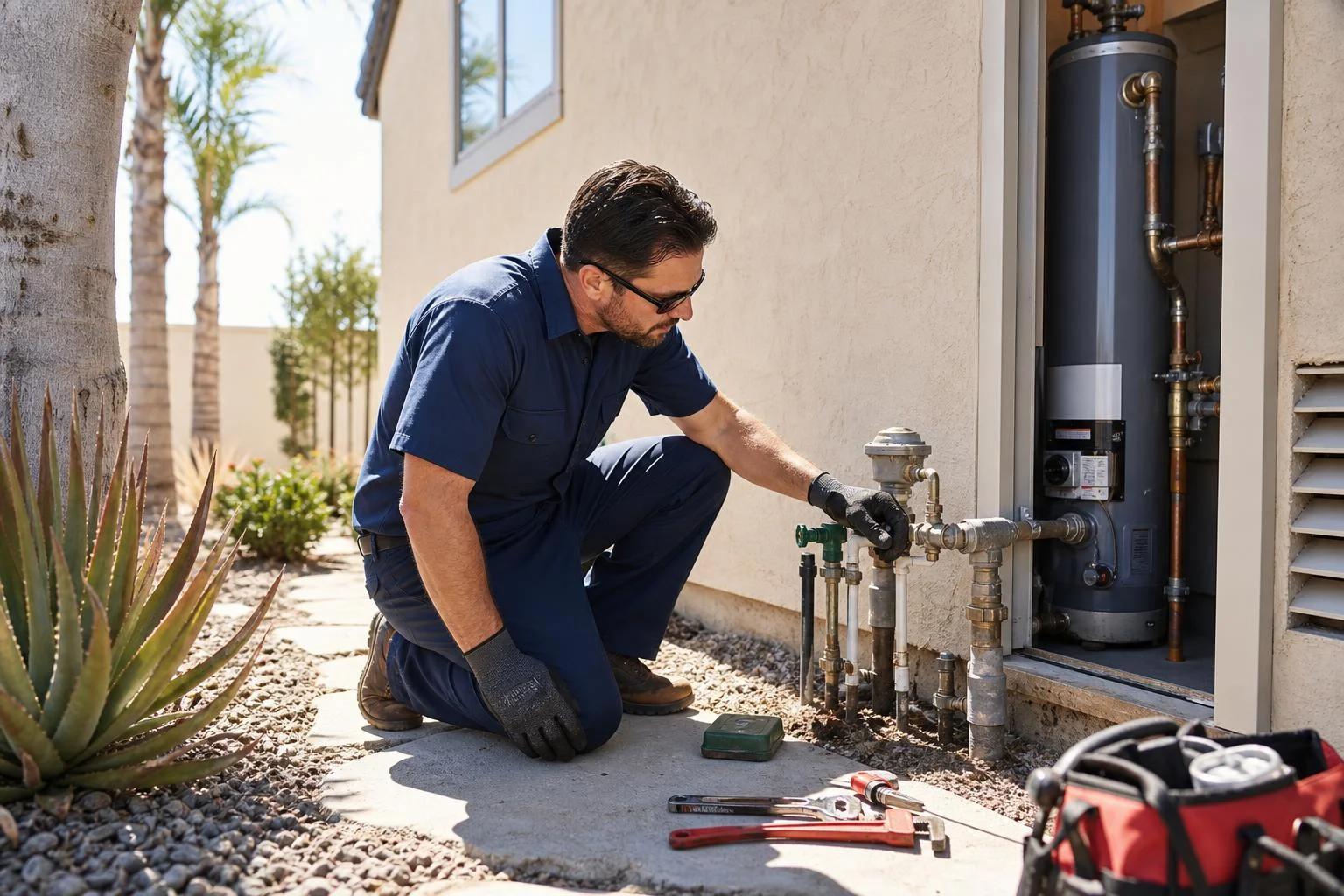
Direct sunlight and repeated heating can wear down exposed hose bibs, older irrigation components, and plastic fittings. Landscapes also need more water during hot spells, so a small irrigation leak can turn into substantial water waste quickly. Walk your property early in the morning or after the irrigation cycle and look for:
- Puddles, muddy patches, or unusually green areas in the yard
- Sprinkler heads that spray onto sidewalks, driveways, or walls
- Hissing sounds around valves and irrigation connections
- Cracked hoses, loose fittings, and dripping outdoor faucets
- Reduced water pressure inside after the sprinkler system runs
For businesses, property managers, and multifamily buildings, regular irrigation checks are essential. A hidden supply-line leak can affect landscaping, foundations, sidewalks, and water expenses.
Prevent Drain Clogs and Sewer Backups During Hot Weather
Summer gatherings, kids home from school, and increased occupancy can mean more grease, soap, food particles, hair, and paper entering the drain system. While heat itself does not create every blockage, increased usage often pushes a partially clogged line into a full drain backup. Homes with mature trees may also face root intrusion in sewer lines, a frequent concern across established neighborhoods in Southern California.
To reduce the chance of needing emergency drain cleaning, follow these habits:
- Keep fats, oils, and grease out of kitchen drains. Let grease cool in a container and dispose of it in the trash. Hot water may move grease farther down the pipe, but it does not eliminate buildup.
- Use sink strainers. Catch food scraps, coffee grounds, hair, and other debris before they enter the drain.
- Run cold water with the garbage disposal. Use it only for small, appropriate food particles—not fibrous vegetables, bones, grease, or large amounts of food.
- Avoid chemical drain cleaners. Caustic products can damage older pipes, create hazardous conditions, and may not remove the actual blockage.
- Schedule professional rooter service for recurring clogs. Repeated slow drains, gurgling toilets, or sewage odors may indicate a main sewer-line issue rather than a simple fixture clog.
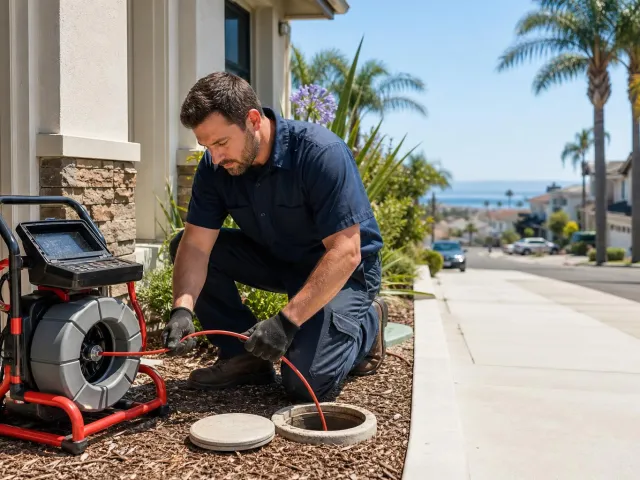
A-1 Performance Rooter and Plumbing uses professional drain-cleaning and rooter methods to identify and clear the cause of stubborn blockages. For properties in Long Beach, Los Angeles, and Orange County, prompt service can help prevent wastewater damage and business interruptions.
Water Heater and Pipe Care for Extreme Southern California Heat
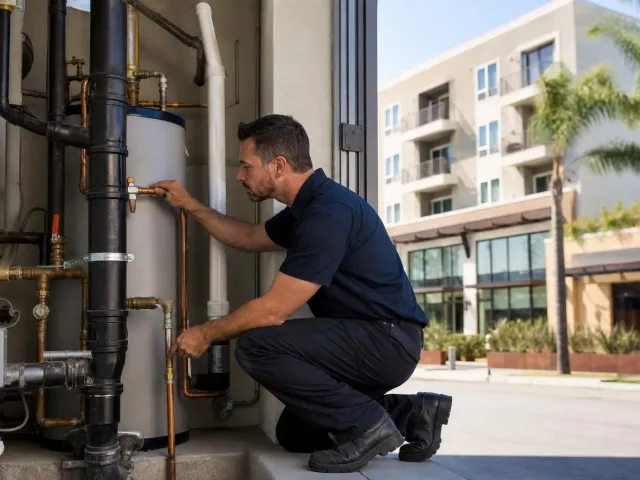
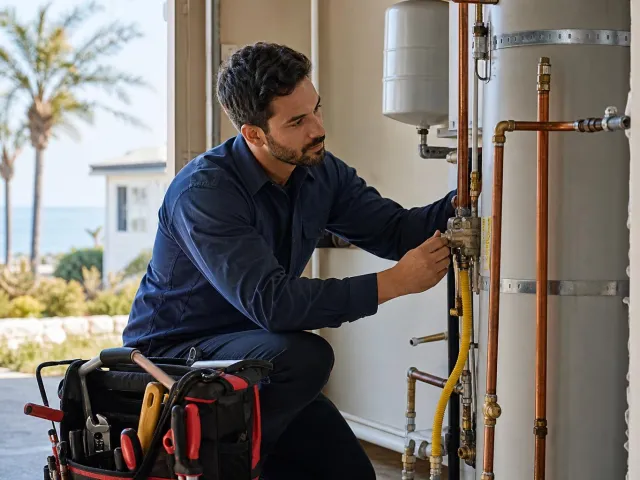
Your water heater works year-round, and hot weather is a good reminder to inspect it. Although incoming water may be warmer during summer, sediment, pressure issues, corrosion, and aging connections can still affect performance. Check the area around the unit for water, rust, or a musty smell. Listen for popping or rumbling noises, which can indicate sediment buildup in some tank-style units.
Keep the water-heater temperature set at a safe, energy-conscious level—typically around 120°F for many households. Higher settings increase scald risk and can add unnecessary stress to the system. Never attempt repairs to gas lines, pressure-relief valves, or electrical connections without a qualified plumbing professional.
Heat can also make pipe leaks more noticeable. Materials expand and contract as temperatures change, and weak joints or deteriorated pipes may begin to seep. Call a plumber if you notice any of the following:
- Low water pressure affecting multiple fixtures
- Warm spots on floors or unexplained damp carpet
- Discolored, rusty, or cloudy water
- Water stains on ceilings or walls
- A water meter that continues moving when all fixtures are off
- Sudden increases in the water bill
These signs can point to a hidden leak, slab leak, damaged supply line, or failing pipe. Early pipe repair is almost always less disruptive than waiting for a major break.
When Should You Call a Professional Plumber?
Call a professional plumber immediately if you have sewage backing up into tubs or showers, a burst pipe, no water pressure, a suspected gas-water-heater issue, or water leaking near electrical equipment. Shut off the main water supply when it is safe to do so, then contact a licensed plumbing professional.
For less urgent concerns, scheduling preventive plumbing maintenance before or during a heat wave can save time and expense. A professional inspection can identify developing leaks, worn valves, drain buildup, water-heater concerns, and sewer-line problems. This is particularly valuable for older homes, rental properties, restaurants, offices, and commercial buildings with high water usage.
Quick answer: To protect plumbing in extreme heat, check for leaks, keep rarely used drain traps filled with water, inspect irrigation systems, avoid putting grease down drains, and schedule professional service for recurring clogs or pressure changes.
When Southern California temperatures rise, do not wait for a small plumbing concern to become an expensive emergency. A-1 Performance Rooter and Plumbing provides dependable drain cleaning, rooter service, pipe repair, water-heater service, and general plumbing support for local homes and businesses.
Protect your plumbing during a heat wave by staying proactive with leak checks, drain care, outdoor plumbing inspections, and water-heater maintenance. High temperatures and heavy water use can make hidden weaknesses more apparent, but timely attention can prevent water waste, property damage, sewer odors, and inconvenient backups. Whether you are managing a home in Los Angeles, a rental in Long Beach, or a business in Orange County, the experienced team at A-1 Performance Rooter and Plumbing is ready to help. For fast, professional plumbing service and practical advice tailored to your property, call 800-997-3090 today.