

When a plumbing emergency strikes in Southern California—like a burst pipe, major leak, or overflowing fixture—knowing how to shut off water to your home quickly can save you thousands in damages. As the trusted local experts, A-1 Performance Rooter and Plumbing is here to help you take control before help arrives. In this guide, we’ll show homeowners and business owners how to locate and turn off their water supply, plus what steps to take next. Keep our 24/7 line handy: 800-997-3090.
Why You Should Know How to Shut Off Water in an Emergency
Every minute counts in a plumbing emergency. Whether you live in Los Angeles, Orange County, or Long Beach, fast action can minimize the risk of flooding and water damage. Turning off your main water valve immediately cuts off the flow of water through your pipes, preventing further leaks while you wait for a certified plumber to arrive.
Finding Your Main Water Shut-Off Valve
In most Southern California homes, the main shut-off valve is located in one of the following areas:
- Near the water meter: Typically in a ground box near the street or sidewalk
- On an exterior wall: Close to where the main water line enters the house
- In the garage or utility area: Especially common in newer homes
Commercial buildings in areas like Irvine or Anaheim often have clearly labeled valves in maintenance rooms or mechanical closets.
Types of Valves You Might Encounter
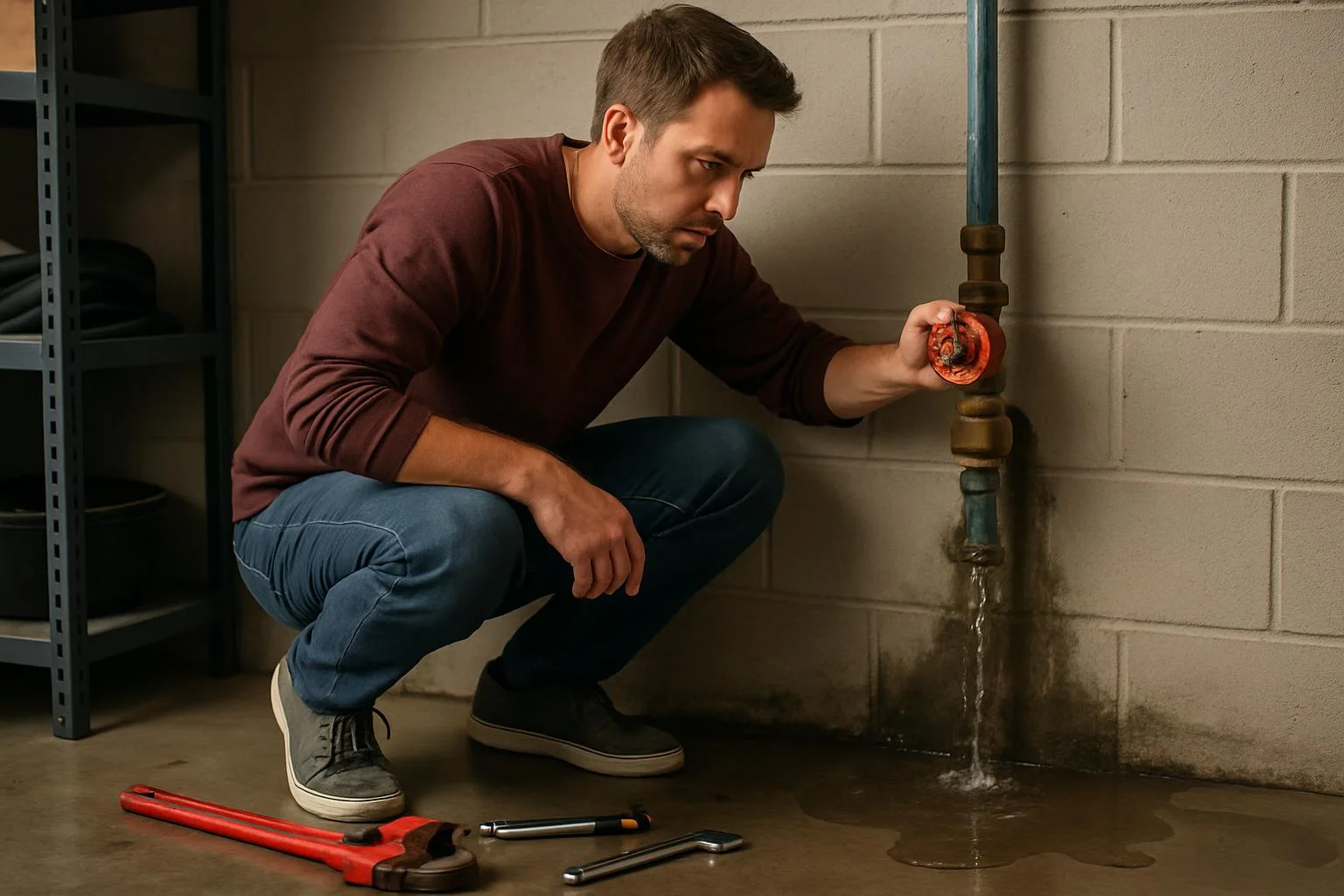
- Gate valve: A round handle that you turn clockwise until tight
- Ball valve: A lever handle that you rotate 90 degrees until it is perpendicular to the pipe
Test your valve a few times each year to make sure it moves freely. If the valve feels stuck or corroded, don’t force it—call A-1 Performance Rooter and Plumbing for professional assistance.
How to Turn Off Water Inside the House
Sometimes you don’t need to shut down your entire home’s supply. You can stop water flow to specific fixtures:
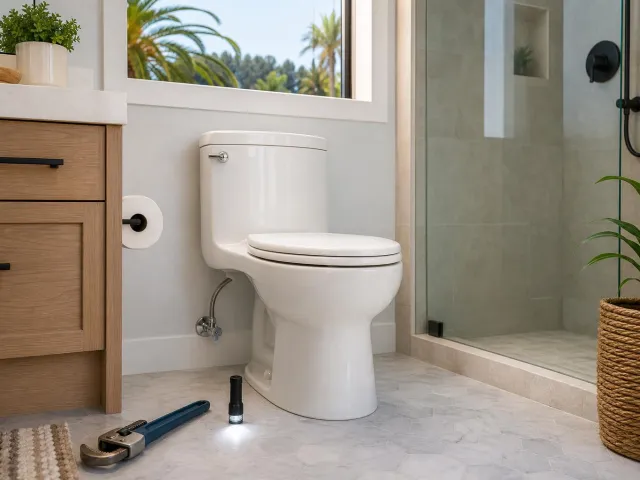
- Toilets: Turn the small valve near the wall behind the toilet clockwise.
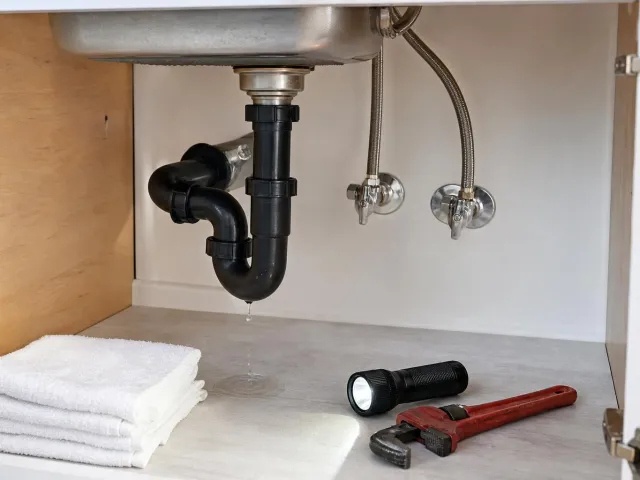
- Sinks: Look under the sink for two small shut-off valves on the supply lines—one for hot, one for cold.
- Washing machine: Close both supply valves behind the appliance.
These individual shut-offs can buy you time to assess the problem and determine if it’s manageable or requires professional help.
Preventing Plumbing Emergencies Before They Start
While knowing how to shut off your water is essential, routine plumbing maintenance is the best way to avoid urgent situations. Regular drain cleaning, pipe inspections, and water pressure checks help identify small problems before they escalate into emergencies.
In Southern California’s hard water zones, like Santa Ana and Huntington Beach, mineral buildup can corrode pipes faster, increasing the risk of leaks. Schedule annual service appointments with licensed experts like A-1 Performance Rooter and Plumbing to keep your system in top condition.
Essential Tools to Keep on Hand
- Adjustable wrench
- Flashlight with spare batteries
- Towel or small bucket to catch residual water
- Contact list with emergency numbers, including your plumber
Keep these tools accessible at all times so you can react quickly during an emergency.
What to Do After You Shut Off the Water
Once you’ve stopped the water flow:
- Turn off the electricity near the affected area for safety.
- Clean up standing water to limit property damage.
- Call A-1 Performance Rooter and Plumbing right away at 800-997-3090 for immediate help.
Our licensed plumbers are available 24/7 for emergency calls across Los Angeles County, Orange County, and surrounding cities.
Conclusion: Act Fast and Call the Plumbing Pros
Knowing how to shut off water to your home during a plumbing emergency is an important safety measure for every Southern California homeowner. Quick action, paired with professional support from A-1 Performance Rooter and Plumbing, can dramatically reduce water damage and repair costs. Don’t wait until it’s too late—learn your system today and save our emergency number in your phone: 800-997-3090. When you need reliable plumbing service in Southern California, trust the experts who put your home’s safety first.