

When temperatures climb above 100°F, most Southern California homeowners think first about air conditioning, shade, and staying hydrated. But extreme heat plumbing stress can create expensive problems behind walls, under slabs, and around outdoor fixtures as well. Heat causes pipes and fittings to expand, puts added demand on water heaters, dries out drain traps, and exposes weak seals that may have gone unnoticed during milder weather. From Los Angeles and Long Beach to Orange County and the Inland Empire, A-1 Performance Rooter and Plumbing helps property owners prevent heat-related leaks, clogs, and water-heater failures. Here is how triple-digit weather affects your plumbing and what you can do to protect your home.
How Extreme Heat Plumbing Stress Affects Pipes and Fixtures
In simple terms, high temperatures make plumbing materials expand. Copper, PVC, CPVC, and metal fittings all respond to heat differently, and older systems are often less forgiving. A pipe that is already poorly supported, corroded, cracked, or tightly constrained can develop a leak when expansion and contraction place extra pressure on a joint.
Extreme heat plumbing stress is especially important in Southern California because many homes have exposed or partially exposed plumbing. Pipes in attics, garages, crawl spaces, exterior walls, and sunny side yards can become much hotter than the outdoor air temperature. Direct sun on an uninsulated pipe or hose bib can accelerate wear on washers, seals, and plastic components.
Watch for these warning signs during a heat wave:
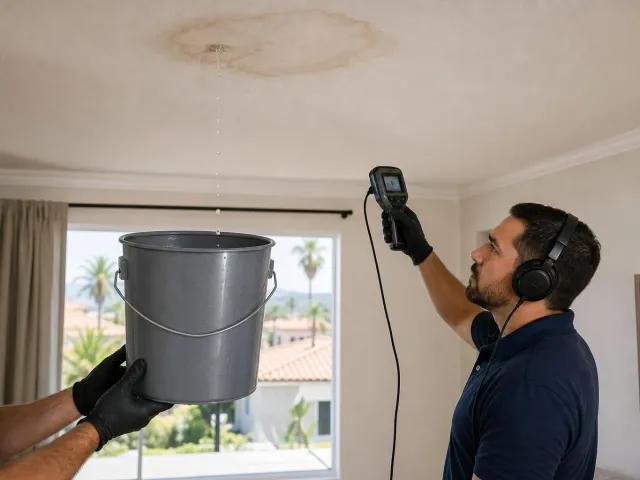
- New moisture, discoloration, or soft spots on ceilings and walls
- Dripping outdoor faucets or leaking irrigation connections
- Reduced water pressure at one or more fixtures
- A sudden increase in your water bill
- Rust-colored water, banging pipes, or visible corrosion near a water heater
- Musty odors that may indicate a hidden leak
The U.S. Environmental Protection Agency notes that household leaks can waste nearly 10,000 gallons of water per year in an average home. In drought-conscious communities across Los Angeles County and Orange County, finding a small leak early protects both your property and your water budget.
Water Heater Care During Triple-Digit Southern California Heat
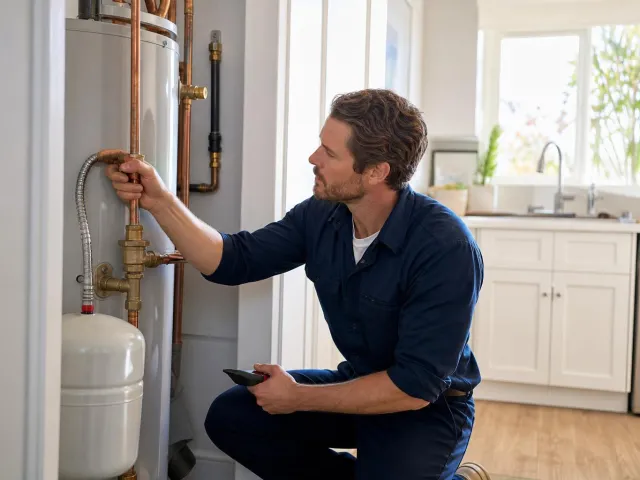
Your water heater does not stop working simply because the weather is hot. In fact, summer can reveal water-heater issues when household water use increases due to showers, laundry, guests, gardening, and cleanup after beach or pool days. High ambient temperatures in a garage or utility closet can also place added strain on components, particularly on aging units with sediment buildup or inadequate ventilation.
A properly operating water heater should deliver consistent hot water without rumbling, popping, rusty water, or pooling around the tank. If your unit is approaching the end of its expected service life, summer is an excellent time to schedule an inspection rather than waiting for a failure during a busy weekend.
Helpful water heater maintenance steps include:
- Set the thermostat to a safe, efficient temperature, commonly around 120°F, unless a manufacturer or household need requires otherwise.
- Check the area around the unit for leaks, corrosion, and blocked ventilation.
- Test the temperature-and-pressure relief valve only if you understand the manufacturer’s instructions, or have a licensed plumber inspect it.
- Schedule professional flushing when appropriate to address sediment, especially in areas with hard water.
- Never ignore a gas smell, hissing sound, or water pooling near a gas or electric water heater.
A-1 Performance Rooter and Plumbing can inspect, repair, replace, and install conventional and tankless water heaters for homes and businesses throughout Southern California. Prompt service can help avoid water damage and restore reliable hot water quickly.
Dry Drain Traps, Sewer Odors, and Drain Cleaning Needs
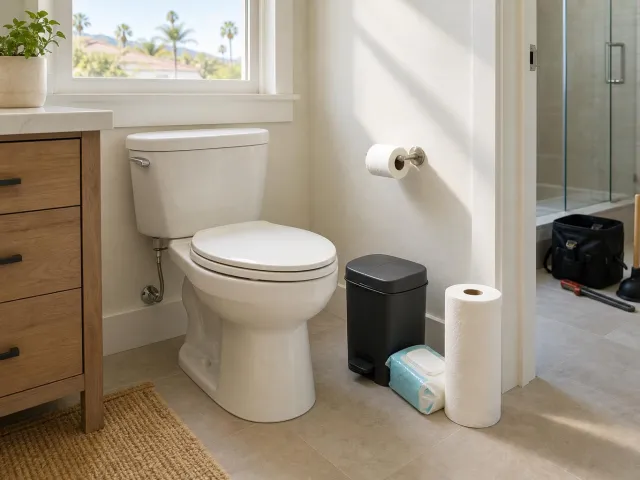
Triple-digit temperatures can evaporate water from infrequently used drain traps. The curved section of pipe under sinks, floor drains, showers, and laundry drains holds water that blocks sewer gas from entering the building. When that water evaporates, unpleasant odors can travel into bathrooms, guest suites, garages, or commercial spaces.
This problem is common in vacation properties, vacant units, rarely used restrooms, and older commercial buildings in Long Beach, Anaheim, Pasadena, and surrounding communities. The fix may be as simple as running water into an unused drain for a minute. However, persistent sewer odors, slow drains, gurgling, or recurring backups deserve professional attention. These symptoms may point to a blocked vent, drain-line buildup, a damaged trap, or a sewer line issue.
To reduce summer drain problems:
- Run water through every sink, shower, tub, and floor drain at least weekly.
- Avoid pouring grease, oil, coffee grounds, wipes, or harsh chemicals down drains.
- Use sink strainers to catch food debris and hair.
- Keep landscaping and tree roots away from known sewer-line routes when possible.
- Schedule professional drain cleaning if slow drainage affects multiple fixtures.
Store-bought chemical drain cleaners can damage certain pipes and rarely solve the underlying issue. Professional rooter service and drain cleaning provide a safer, more complete solution for stubborn clogs and root intrusion.
Outdoor Plumbing and Irrigation Leak Prevention
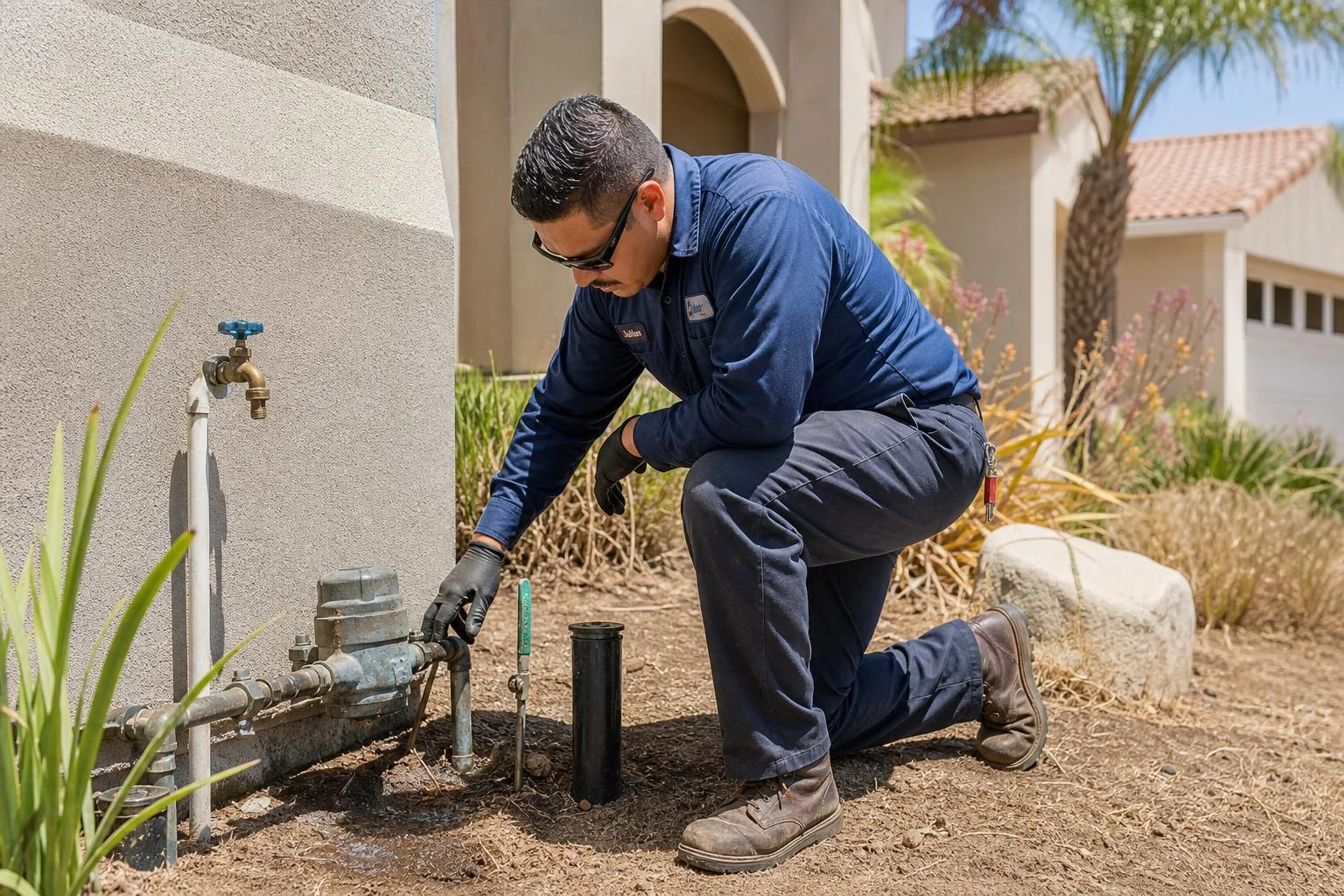
Outdoor faucets, sprinkler lines, hose connections, and pool-area plumbing take a beating in hot, sunny weather. UV exposure can degrade plastic fittings and hoses, while dry soil can shift around buried lines. At the same time, increased irrigation use can make a small leak more difficult to notice until the water bill arrives.
Perform a quick outdoor plumbing inspection each month during summer. Look closely at hose bibs, backflow devices, irrigation valves, drip lines, and the ground around outdoor pipes. Soggy patches, unusually green grass, pooling water, or a constantly running irrigation zone may indicate a hidden leak.
For a fast leak check, turn off all water-using appliances and fixtures, then review your water meter. If the leak indicator is moving or the meter changes after a short waiting period, water may be escaping somewhere in the system. A professional plumber can pinpoint the source with appropriate leak-detection methods and recommend an effective pipe repair.
When to Call a Southern California Plumber for Heat-Related Issues
Some maintenance is homeowner-friendly, but water leaks, sewer odors, water-heater concerns, and recurring drain clogs should not be delayed. Call a plumber promptly if you see water near electrical equipment, experience a sewer backup, smell gas, lose water pressure suddenly, or notice a warm area on a slab floor. These can be signs of issues that require trained diagnosis and repair.
A-1 Performance Rooter and Plumbing provides dependable residential and commercial plumbing support for Southern California property owners. Whether you need rooter service in Los Angeles, drain cleaning in Orange County, pipe repair in Long Beach, or water heater service elsewhere in the region, our team can help address the problem before it grows.
Conclusion: Triple-digit weather can affect far more than indoor comfort. Heat can expand vulnerable pipes, strain water-heater components, dry out drain traps, and expose outdoor plumbing leaks. Taking a few preventive steps—checking fixtures, running water in unused drains, monitoring your meter, and scheduling maintenance—can reduce the risk of disruption and water damage. If you notice leaks, sewer odors, slow drains, inconsistent hot water, or other signs of extreme heat plumbing stress, do not wait for a minor issue to become an emergency. Contact A-1 Performance Rooter and Plumbing at 800-997-3090 for professional Southern California plumbing, rooter, drain cleaning, pipe repair, and water heater service.