

A ceiling leak is more than an unsightly stain—it can signal a hidden plumbing failure, roof problem, or HVAC issue that is damaging your home behind the drywall. Because water can travel along pipes, framing, and ceilings before it drips, the visible wet spot is not always directly below the source. For homeowners and business owners in Los Angeles, Orange County, Long Beach, and throughout Southern California, fast action can limit mold growth, structural damage, and repair costs. This guide explains where ceiling leak water commonly comes from, what to do immediately, and when to call the experienced team at A-1 Performance Rooter and Plumbing.
Ceiling Leak Causes: Where Is the Water Coming From?
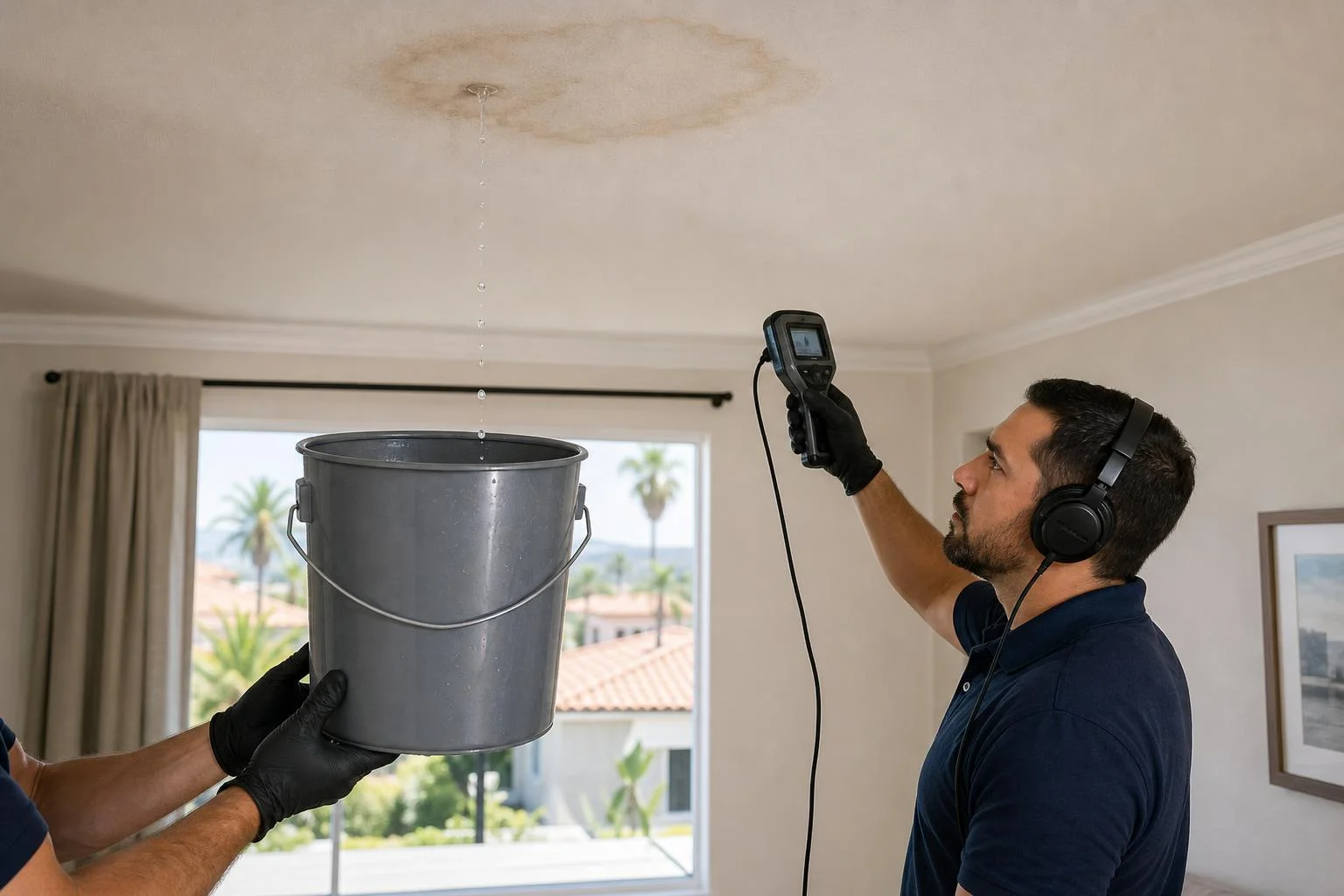
The first step is determining whether the water is coming from a plumbing line, an upstairs fixture, the roof, or a mechanical system. A ceiling leak may appear as a brown ring, bubbling paint, sagging drywall, a steady drip, or a damp area that grows after certain activities. The timing and location offer important clues.
Leaks From Upstairs Bathrooms, Kitchens, or Laundry Rooms
If there is a bathroom, kitchen, laundry room, or water heater above the affected ceiling, plumbing is a likely cause. Common sources include:
- A leaking toilet wax ring, supply line, tank connection, or drain seal
- A failed shower pan, damaged grout, loose tile, or leaking shower valve
- A cracked or loose drainpipe beneath a tub, shower, sink, dishwasher, or washing machine
- A pinhole leak in a copper water line or a failing pipe joint
- An overflowing appliance or a slow leak from an upstairs refrigerator water line
Watch for patterns. If the stain worsens after someone showers, flushes a toilet, runs the dishwasher, or uses the washing machine, a drain or fixture leak is especially likely. If water appears even when no fixture is being used, a pressurized water line may be leaking. In either case, professional leak detection and pipe repair can pinpoint the issue without unnecessary demolition.
Roof Leaks After Southern California Rain
In Southern California, long dry periods can deteriorate roofing materials, flashing, seals around vents, and underlayment. Then a heavy rainstorm exposes the weakness. A roof leak often becomes obvious during or shortly after rain, particularly near exterior walls, skylights, chimneys, attic access points, or roof penetrations.
However, do not assume every rainy-day ceiling stain is a roof problem. A plumbing leak may have been present already, and humidity or rain can make the staining more noticeable. If the water is near a bathroom or kitchen, inspect plumbing possibilities as well. A qualified plumbing inspection can rule out hidden pipe problems before you invest in roof repairs.
Air Conditioner Condensate and HVAC Problems
Air conditioning systems remove moisture from indoor air, creating condensate that must drain safely. During hot stretches in Anaheim, Pasadena, Long Beach, and the Inland Empire, clogged condensate drain lines and overflowing drain pans can cause water damage in ceilings. This is particularly common when an attic air handler or HVAC equipment is located above a living area.
Possible signs of an HVAC-related leak include water appearing while the air conditioner is running, a musty odor near vents, or a stain located below attic equipment. While an HVAC contractor may need to service the unit, a plumber can help address associated drain line issues and evaluate whether nearby plumbing is contributing to the leak.
What to Do Immediately When You See a Water Leak in Ceiling
Prompt action protects people and property. Even a small ceiling drip can saturate insulation and drywall, while a bulging ceiling may collapse under the weight of trapped water. The U.S. Environmental Protection Agency advises drying water-damaged areas within 24 to 48 hours when possible to reduce the chance of mold growth.
- Move people, furniture, and electronics away from the area. Do not stand under a sagging ceiling or attempt to catch a large bulge with a bucket.
- Contain the water. Place buckets or towels under active drips if it is safe to do so.
- Turn off electricity if water is near lights, outlets, or fixtures. Use the main breaker only if you can reach it safely and the area is dry. Otherwise, contact an electrician or emergency professional.
- Stop the water source when possible. Turn off the fixture supply valve, shut off the home’s main water supply, or stop using the suspected upstairs appliance.
- Document the damage. Take photos and note when the leak occurs. This can help with diagnosis and insurance documentation.
- Call a professional plumber. Hidden water damage can continue even after dripping stops.
Never ignore a discolored ceiling just because it feels dry today. Stains can be evidence of an intermittent leak, and repeated wetting weakens drywall, framing, and insulation over time.
How a Professional Plumber Finds a Hidden Ceiling Leak
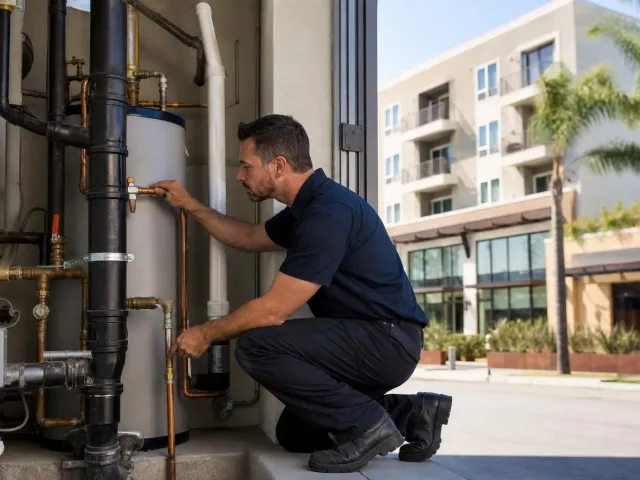
Finding the exact source of a ceiling leak requires more than opening drywall at the visible stain. Water often follows the path of least resistance along joists or pipes, so the entry point may be several feet away. At A-1 Performance Rooter and Plumbing, our plumbing professionals use a methodical approach to narrow down the cause and recommend the right repair.
- Inspect fixtures, supply lines, drain connections, and appliance hookups above the damaged area
- Check whether the leak occurs during fixture use, after flushing, or while a system is idle
- Evaluate exposed pipes and accessible attic or crawlspace areas
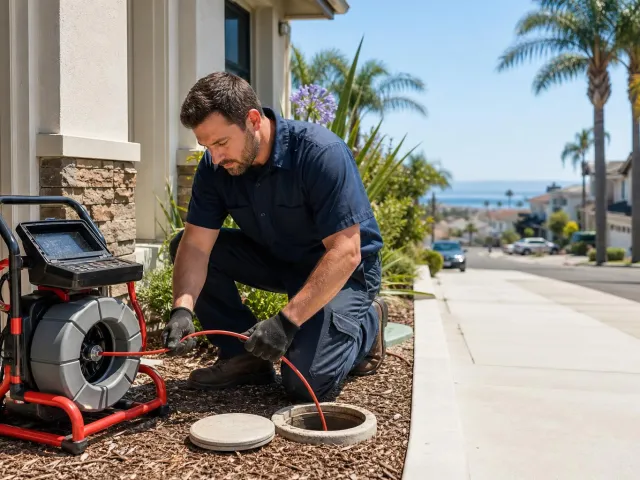
- Use professional leak detection methods when a concealed pipe leak is suspected
- Identify drain blockages or damaged drain lines that may be backing up or leaking
- Recommend targeted pipe repair, drain cleaning, fixture repair, or replacement based on the actual cause
This targeted approach helps homeowners avoid guessing. For example, repeatedly resealing a shower may not solve a cracked drainpipe, and painting over a stain will not repair a failing water line. The right fix starts with an accurate diagnosis.
Preventing Plumbing Leaks Above Your Ceiling
Not every ceiling leak can be prevented, but regular plumbing maintenance greatly reduces the risk of a surprise. Older homes across Los Angeles and Orange County may have aging galvanized, copper, or plastic piping, while hard water can accelerate wear on water heaters, valves, and supply connections.
Use these practical prevention steps:
- Look under sinks and around toilets monthly for moisture, corrosion, warped flooring, or mildew.
- Replace worn washing machine hoses and inspect refrigerator, dishwasher, and ice-maker connections.
- Do not use chemical drain cleaners, which can damage certain pipes and do not correct serious drain defects.
- Schedule professional drain cleaning when you experience frequent backups, slow drains, or recurring clogs.
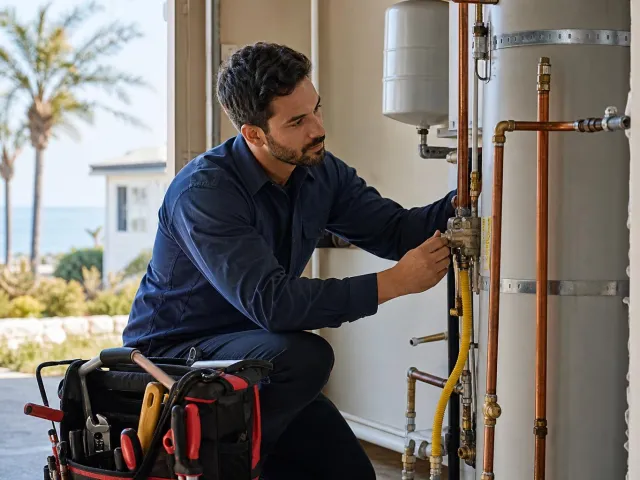
- Have aging water heaters, pressure regulators, and exposed pipes inspected before they fail.
- Clear HVAC condensate drains according to the equipment manufacturer’s maintenance guidance.
- After major rain, inspect attic spaces and ceilings for new moisture or staining.
For commercial properties, restaurants, multi-unit buildings, and offices, preventive plumbing service is especially valuable. A hidden leak can disrupt operations, damage tenant spaces, and create avoidable repair expenses. Routine inspections help property managers address developing issues before they turn into emergencies.
When to Call for Emergency Plumbing Service
Call for help right away if water is actively pouring from the ceiling, the drywall is sagging, the leak is near electrical wiring, sewage may be involved, or you cannot stop the water with a local shutoff valve. Also call promptly if you notice low water pressure, a sudden increase in your water bill, warm spots on floors, or water staining that keeps returning. These signs can indicate a hidden pipe leak requiring professional attention.
A-1 Performance Rooter and Plumbing provides dependable residential and commercial plumbing solutions throughout Southern California. From leak detection and pipe repair to drain cleaning, rooter service, and water heater repair, our team is prepared to help identify the problem and protect your property.
A ceiling leak should always be treated as a warning sign, not merely a cosmetic issue. Water may be coming from an upstairs bathroom drain, a pressurized pipe, an appliance connection, an HVAC condensate line, or a roof penetration. By shutting off water when possible, protecting the affected area, and getting an accurate inspection, you can reduce the risk of mold, ceiling collapse, and extensive repairs. If you have a water leak in ceiling anywhere in Los Angeles, Orange County, Long Beach, or surrounding Southern California communities, trust A-1 Performance Rooter and Plumbing for skilled diagnosis and lasting repairs. Call 800-997-3090 now to schedule service and get to the source of your ceiling leak.